Daily stories
The Integrity Gap: Why Good People Become Their Own Biggest Lie
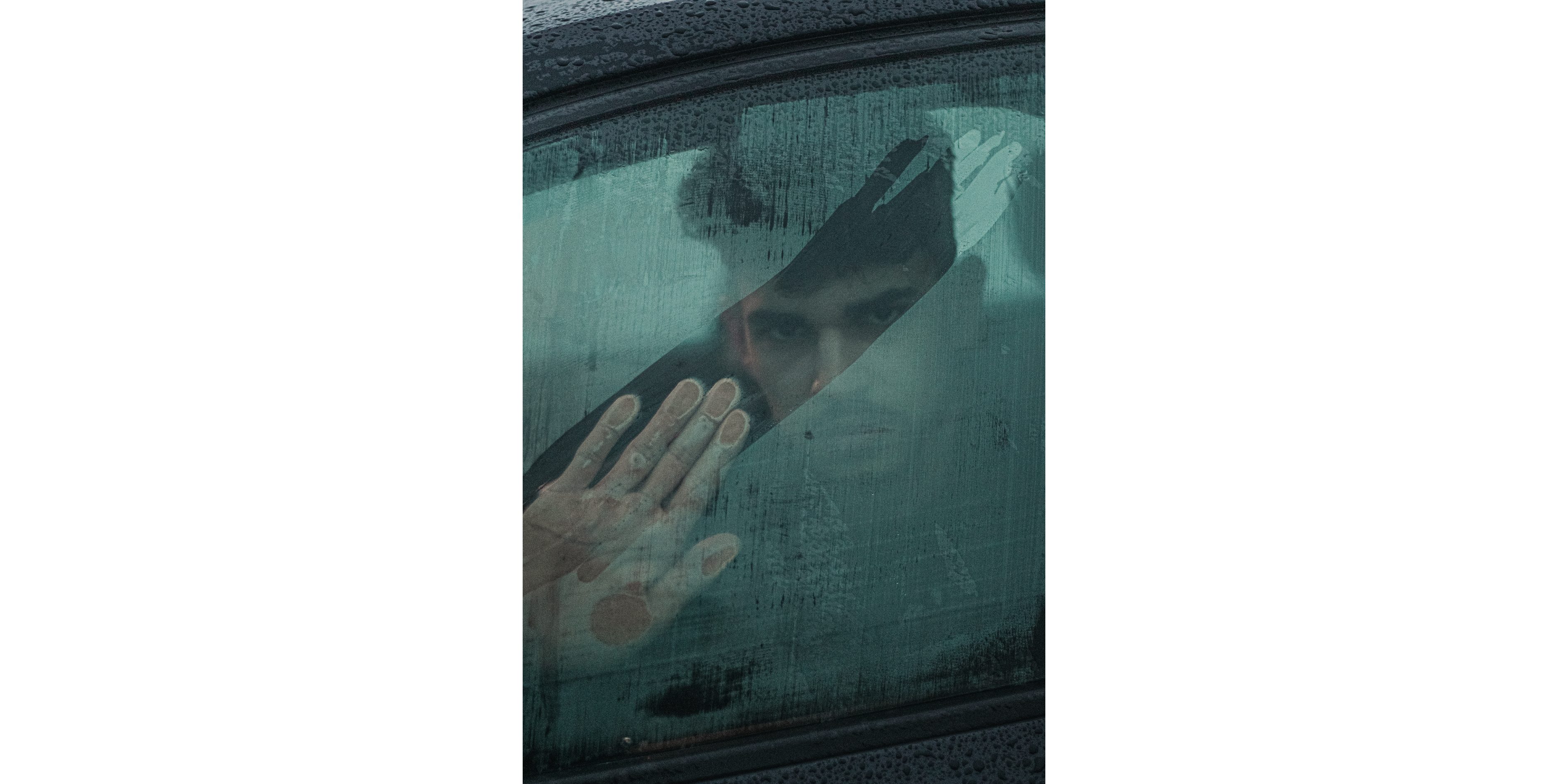
She said it at every dinner table, every school event, every conversation where the topic came up: "Family comes first. Always." Her kids grew up hearing it. Her friends admired her for it. And for ten years, she missed almost every school play, every recital, every ordinary Tuesday dinner, because something at work always came first instead.
Nobody ever caught her in a lie. She never once said something false. She just never did the thing she said mattered most.
That's the part we get wrong about dishonesty. We spend so much energy watching for false statements, the lie with a beginning, middle, and end, that we miss the much bigger, much quieter category: the lie that lives entirely in behavior while the words stay perfectly, consistently true. She wasn't lying when she said family came first. She believed it completely. Her actions just told a different story, one she never had to consciously read.
The Gap Nobody Feels
Call it the integrity gap: the space between the identity someone holds ("I am an honest person," "I put family first," "I value honesty above all") and the behavior that quietly contradicts it.
What makes this gap dangerous isn't that people are secretly cynical or self-aware liars. It's the opposite. Almost nobody who lives inside a large integrity gap can feel it from the inside. Self-perception is built to protect itself. Every time an action drifts from a stated belief, the mind doesn't flag a contradiction, it produces a reason. "This project really was urgent." "She'll understand, she's young, there will be other recitals." "This one time doesn't count." Each excuse is small, reasonable, forgettable. The gap grows one unnoticed inch at a time, and the identity never updates to match it.
This is why the most convincing liars are rarely the ones plotting deception. They're the ones who've never once had to lie, because their self-image absorbed every contradiction before it could register as one.
Three Quiet Shapes the Gap Takes
Once you know what to look for, the pattern shows up everywhere, in bosses, partners, parents, and, uncomfortably, in the mirror.
The convenience contradiction. The belief is real, but it only survives contact with situations that don't cost anything. "Honesty matters," until honesty threatens a deal, a friendship, or an ego. The value is genuine; it just has a price ceiling nobody ever admits out loud.
The audience contradiction. The belief only appears when someone is watching. The generous version of a person shows up at the charity gala and disappears at home with the people who'll never leave. This isn't always cynical performance, often the person genuinely feels generous in that moment. The behavior is simply audience-dependent in a way their self-story never accounts for.
The rear-view contradiction. The belief is sincere in the present tense, and it gets used to rewrite the past. "I've always valued honesty," said by someone who, five years ago, told a devastating lie to avoid a hard conversation, and has since folded that lie into a story about "protecting" the other person. The current belief is real. It's just being used as a retroactive alibi for the version of them that didn't hold it yet.
None of these require malice. All three require only the ordinary human habit of narrating ourselves more kindly than we act.
The Question That Actually Matters
Here's the uncomfortable turn: this isn't really an essay about other people. It's a mirror with the label peeled off.
So ask it plainly, what's the belief you'd defend loudest, in front of anyone, without hesitation? And now hold it up against the last thirty days of your actual behavior, not your intentions, not your explanations. Not what you would have done if things were different. What you actually did.
Most people find at least one gap. That's not a moral failure, it's just what happens when identity is fixed and behavior is fluid and nobody's checking the two against each other. The failure isn't having a gap. The failure is never looking.
Closing the Gap Without Becoming Obsessed With It
The goal was never to arrive at a life with zero contradiction between belief and action, that's not integrity, that's rigidity, and it's not achievable by anyone who's still growing or changing their mind. The actual practice of integrity is smaller and more honest than that: it's the habit of noticing the gap before it calcifies into a story you no longer question.
One way to start: once a week, for five minutes, pick one belief you say out loud often, about honesty, about priorities, about who you are, and ask what your calendar, your last conversation, or your last decision would say if it were cross-examined. Not to punish yourself. Just to look.
The people who avoid becoming their own biggest lie aren't the ones with no contradictions. They're the ones who kept checking.