Our Blog
Improve Your English Step by Step
Helpful tips for learners of Australian English.
Discover simple explanations, useful examples, and practical advice to help you speak more naturally and understand English more easily.
Daily stories
The One Question That Closes the Integrity Gap
Day 7 of the "Say vs. Do" series: the five-minute weekly question that keeps a sincerely held belief from quietly drifting from what you actually do.

Loyalty Is Untested Until It's Inconvenient
Day 6 of the "Say vs. Do" series: real loyalty isn't the toast at the wedding — it's the unglamorous 2am phone call nobody plans for.

Identity Is Free, Behavior Isn't
Day 5 of the "Say vs. Do" series: why self-image updates the instant you say it, while behavior takes months to catch up.

Performed Belief vs. Practiced Belief
Day 4 of the "Say vs. Do" series: why the biggest platforms make it easiest to say the right thing and never be checked on it.
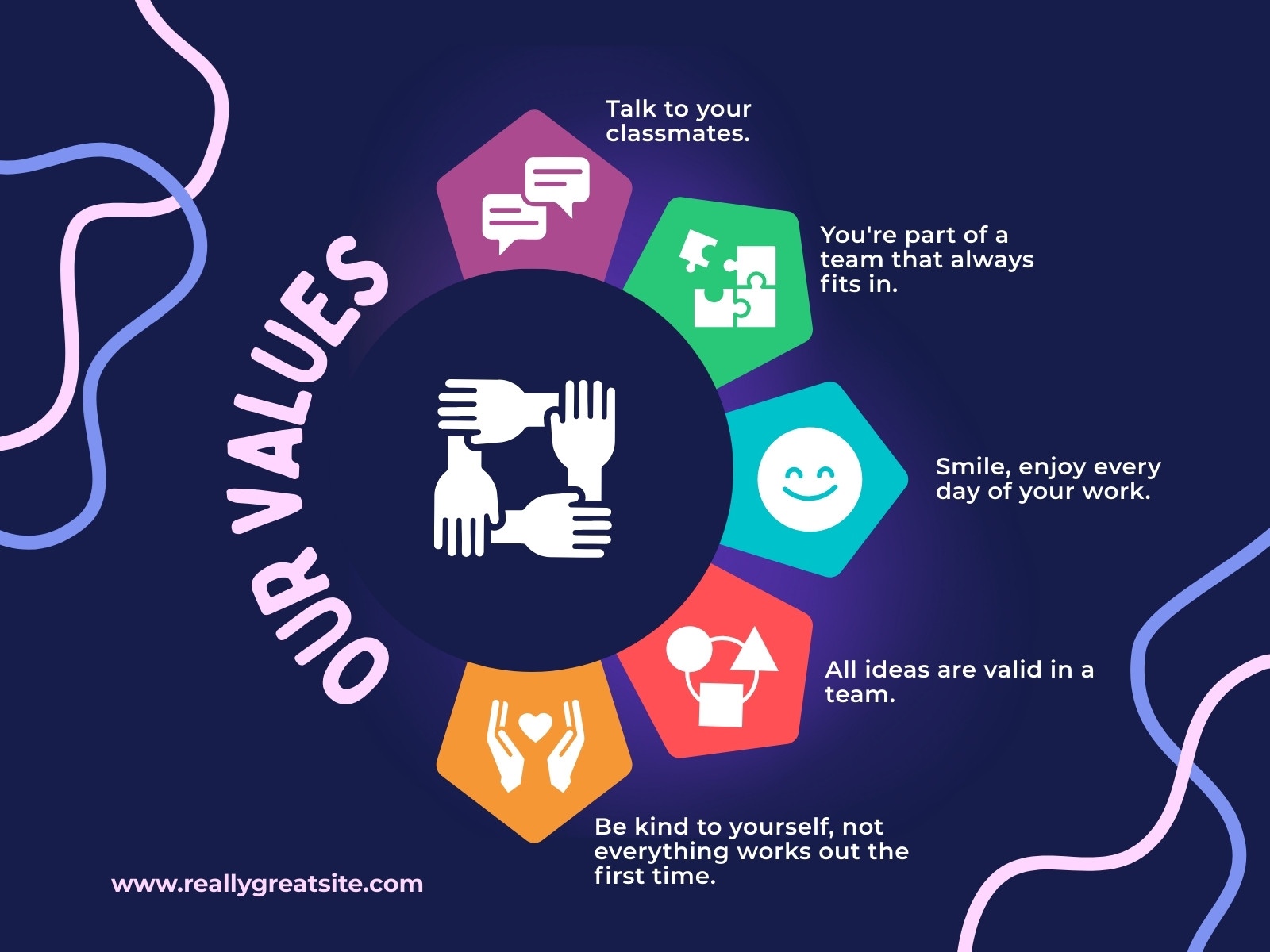
Your Culture Deck Is Fiction Until Your Promotions Prove It
Day 3 of the "Say vs. Do" series: your values slide means nothing if the last five promotions tell a completely different story.
The Honesty Paradox in Relationships
Day 2 of the "Say vs. Do" series: why demanding radical honesty while punishing its delivery trains partners to hide the truth.
Fluency tips
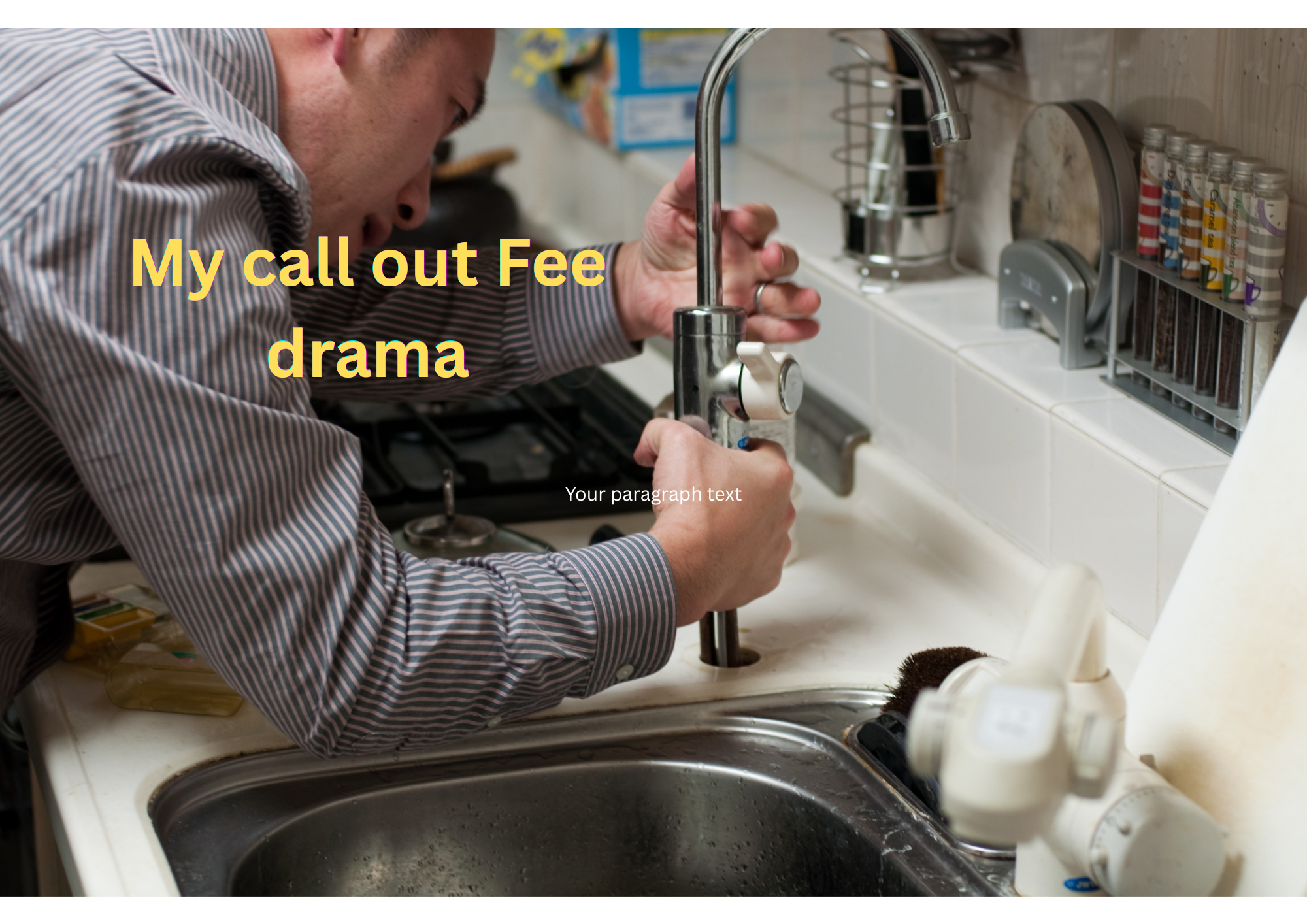
The Day My Washing Machine Promoted Me to Plumber (Without the Pay Raise)
When a broken washing machine promotes you to unqualified plumber, two weeks of leaking pipes eventually lead to a very funny idea, and a lesson in why reframing struggle with humor is real brain science, not just a coping trick.

Broke and Stressed About Money? Fix It in 1 Sentence. How? By Learning the English Your Bank App Already Uses
Post 4: Your banking app is already full of real English vocabulary. Here's why the stress of checking your balance actually helps it stick.

Doomscrolling for Hours? Fix It in 10 Minutes — By Watching the Exact Same Content in English
Post 3: Your doomscroll habit can become a listening lesson, just follow the same content you love, in English. Here's the comprehensible input science behind it.
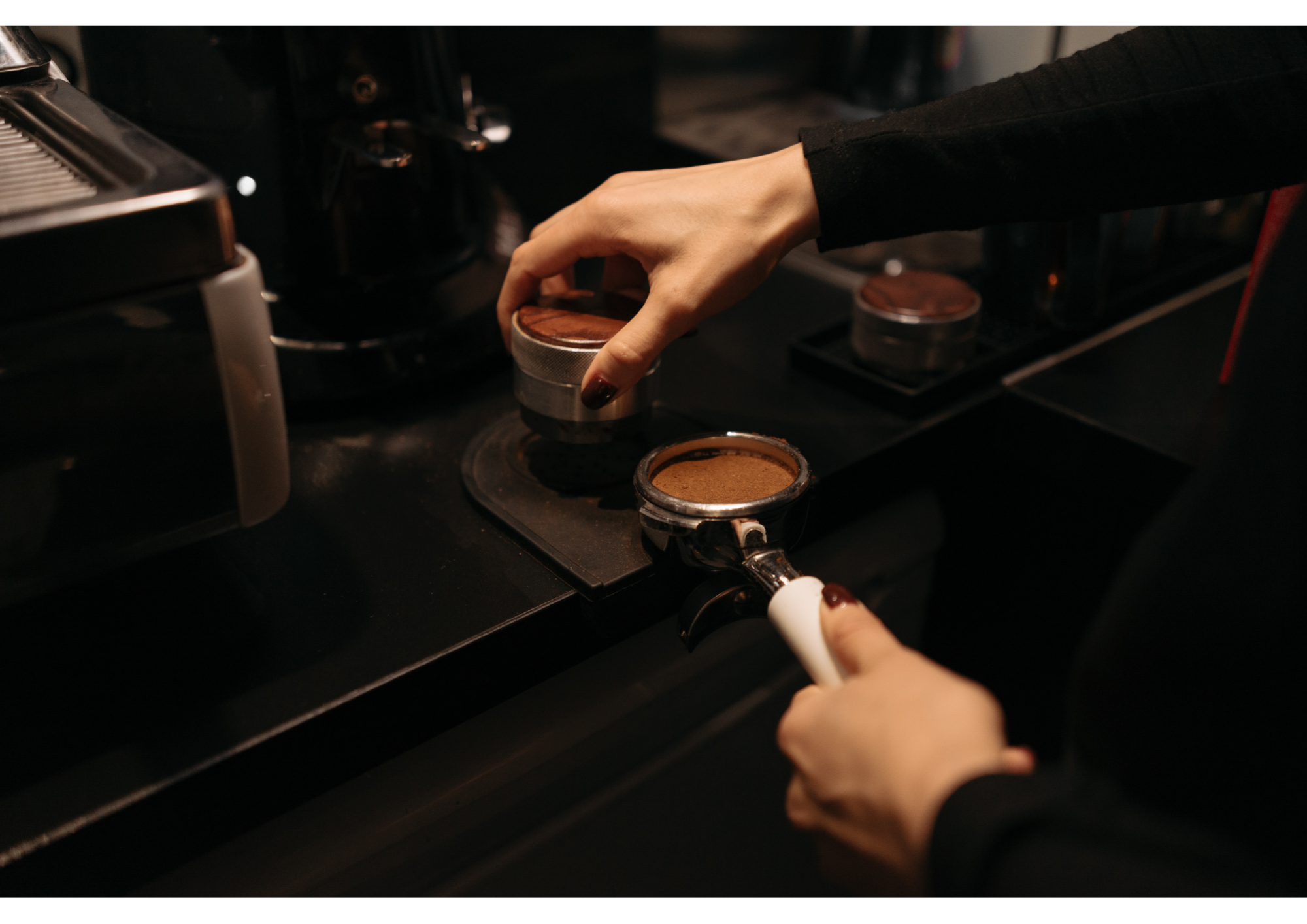
Can't Stop Drinking Coffee? Fix Your English in 1 Cup — By Ordering It Out Loud
Post 2: Ordering your coffee out loud in English, instead of pointing, is real low-stakes speaking practice, here's the psychology behind why it works.
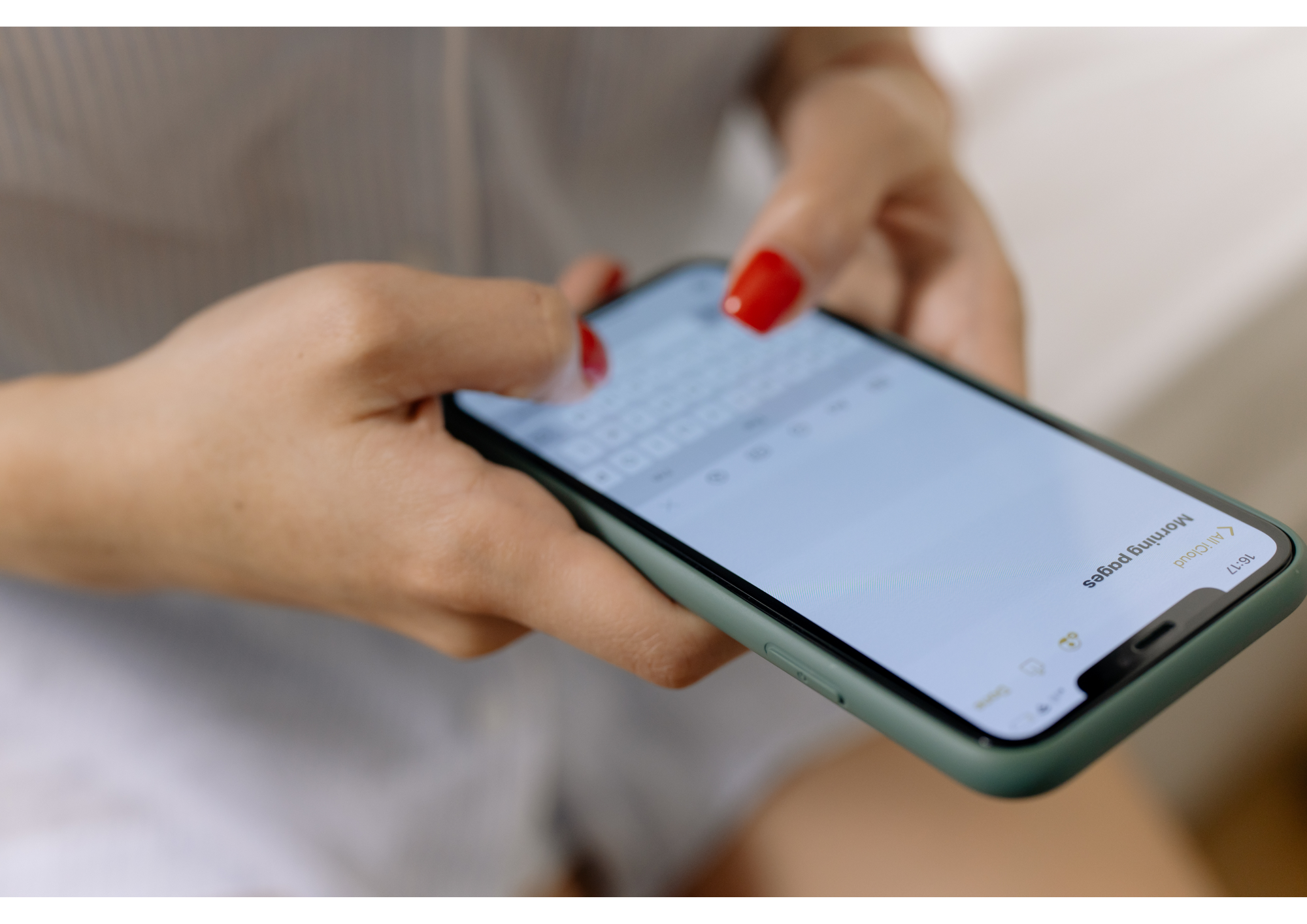
Glued to Your Phone All Day? Fix It in 5 Minutes — By Switching the Language to English
Post 1: Switch your phone's language to English and turn your 100 daily unlocks into free vocabulary lessons, here's the science behind why it works.
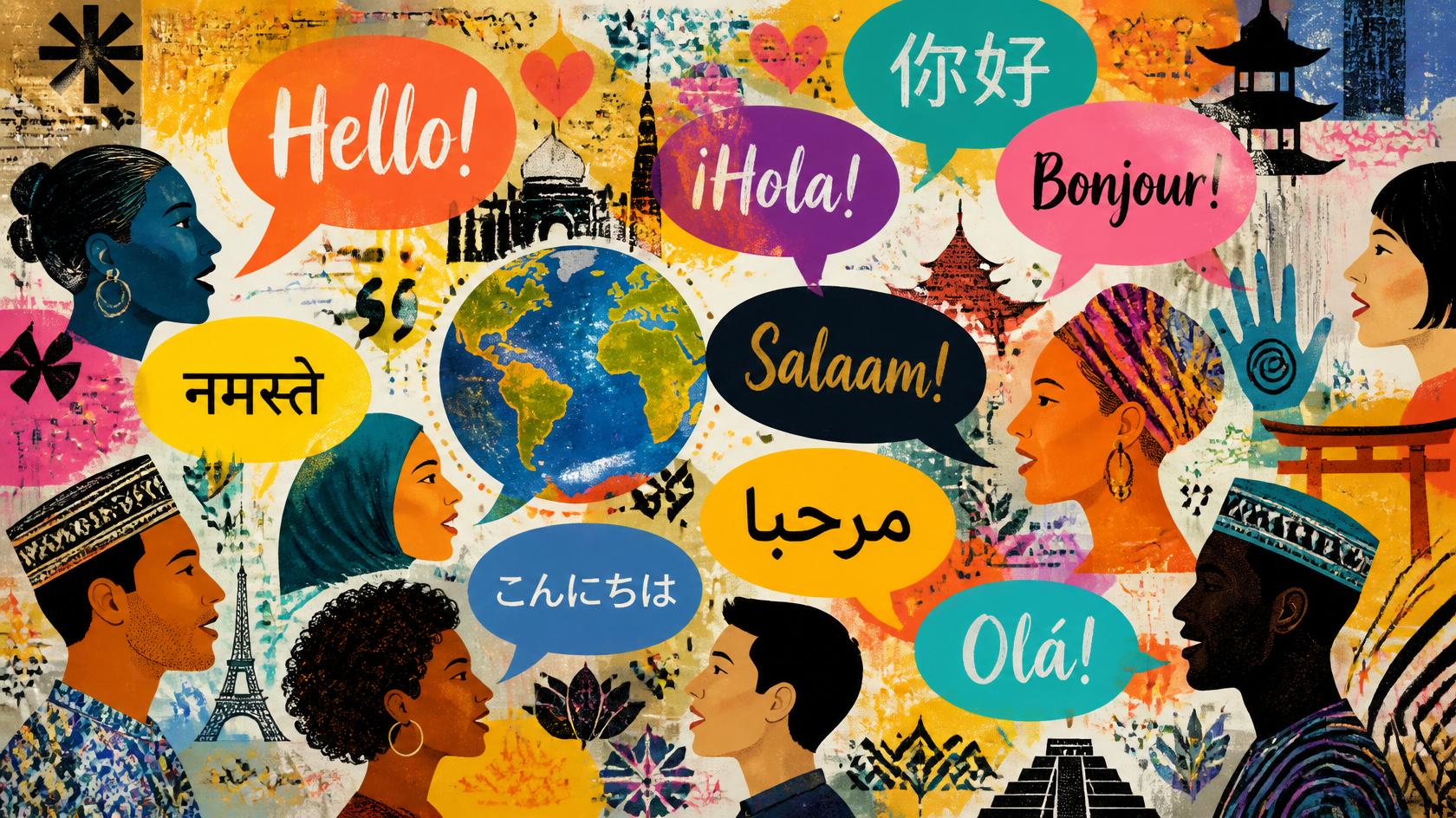
2026 Is the Year English Teaching Finally Admits Grammar Isn't the Point
Day 14: the finale: fourteen days of trends all pointed the same direction. Grammar was never really the point. Real communication was.
Getting Older
Transitioning to the Elite Older Community and it's Challenges
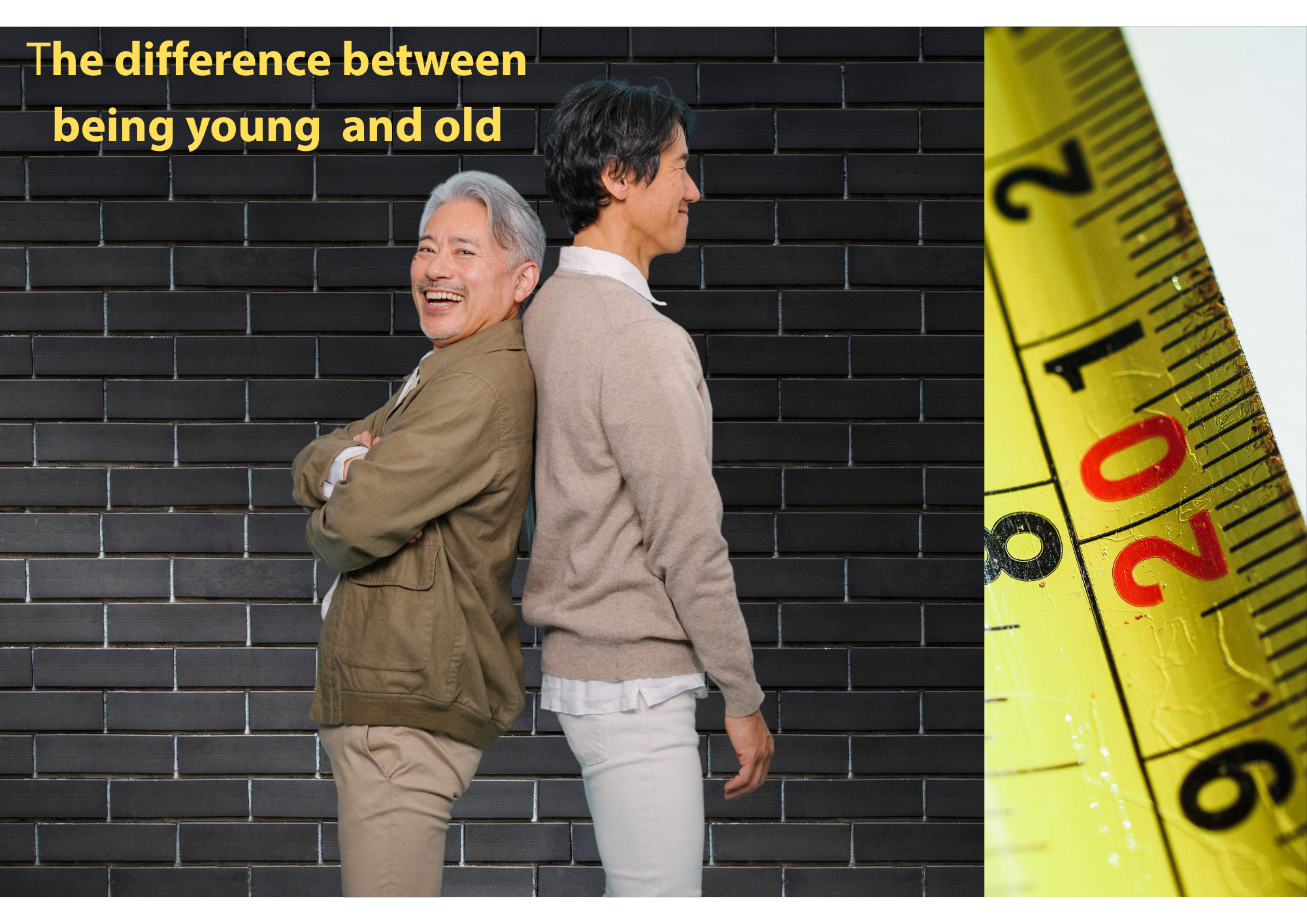
Short, Shorter, and Still Standing 12
Post 12, the series finale: why do we actually get shorter with age? The real science behind spinal disc compression, plus a look back at everything this series has been about all along.
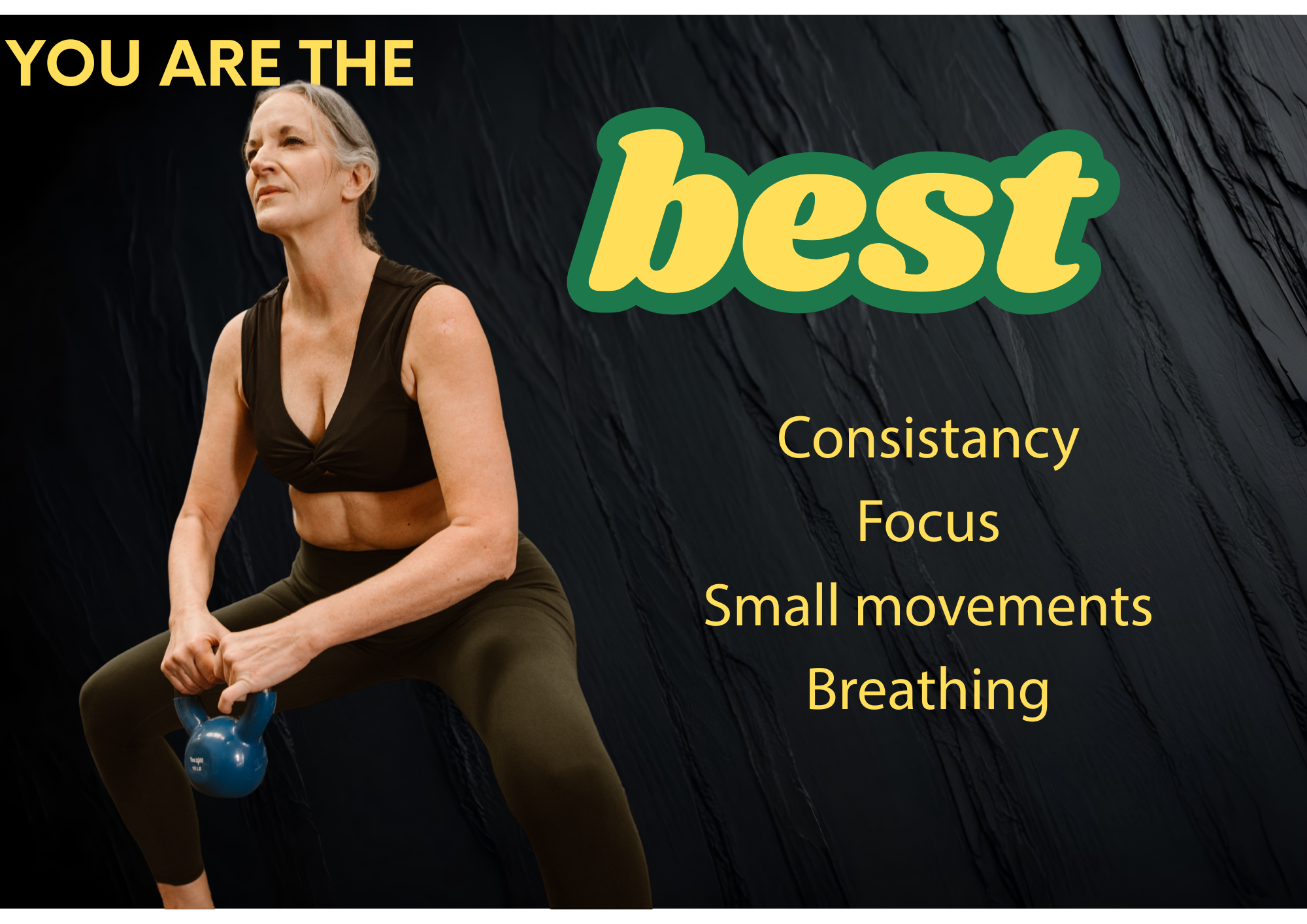
The Quiet Resignation of My Muscles 11
Post 11: Why does muscle strength decline with age? The real science behind sarcopenia and anabolic resistance, plus strength and effort idioms in English.
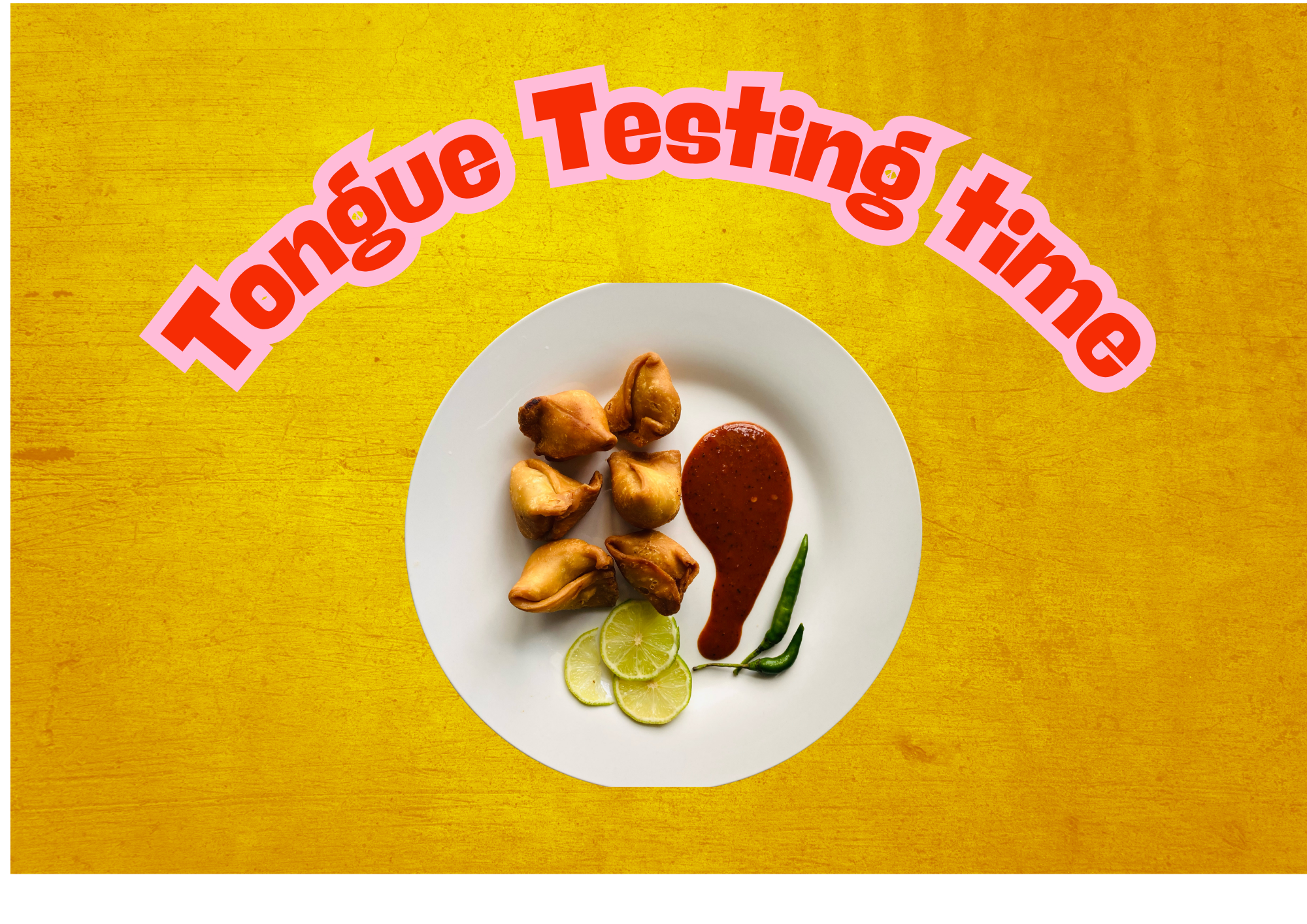
My Taste Buds Switched Teams 10
Post 10: Why does food taste different as we age? The real science behind taste bud decline and presbyosmia (age-related smell loss), plus food and taste idioms in English.
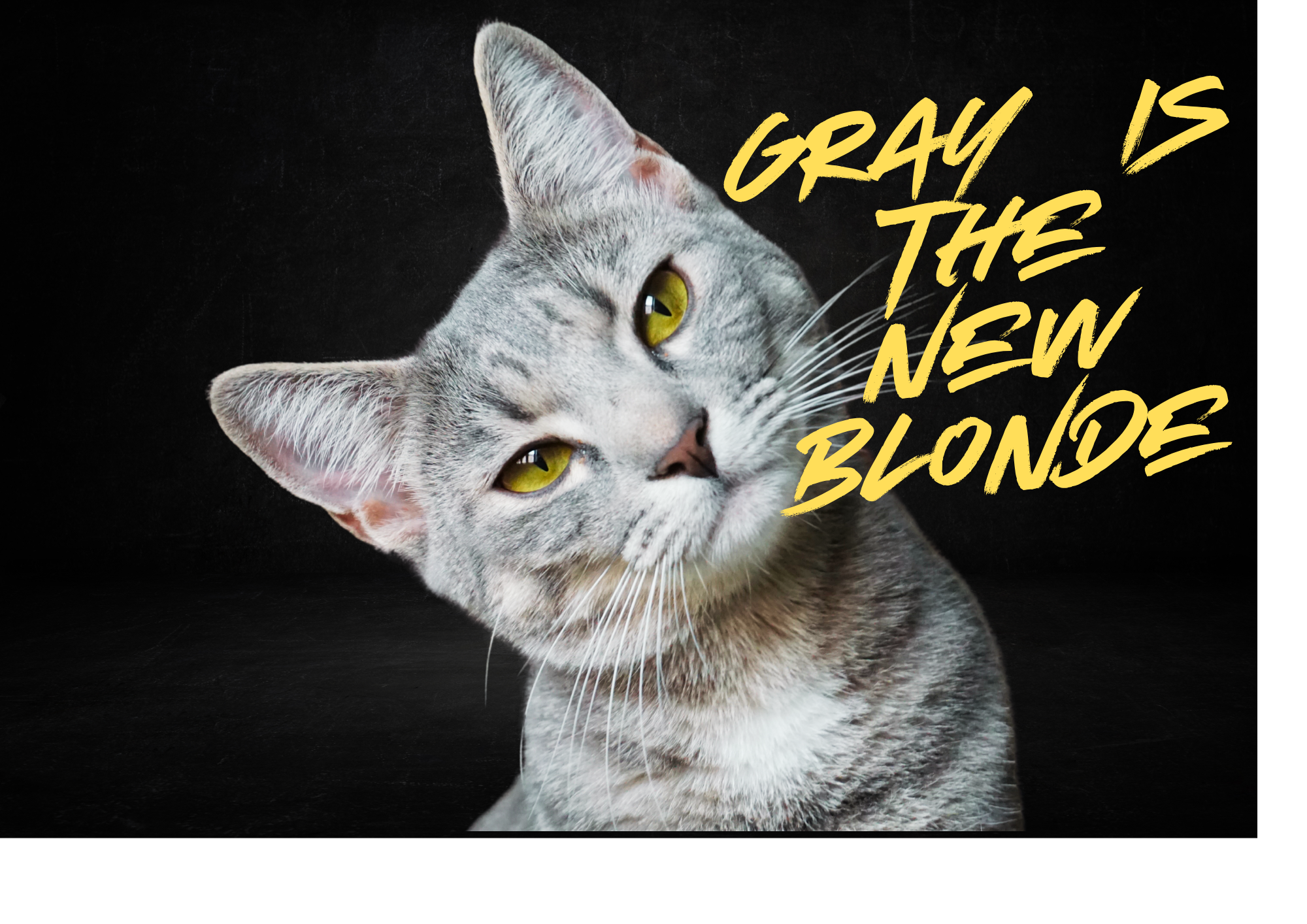
The Silver Uprising 9
Post 9: Why does hair actually turn gray? The real science behind melanocytes and melanin production, plus color and age idioms in English.
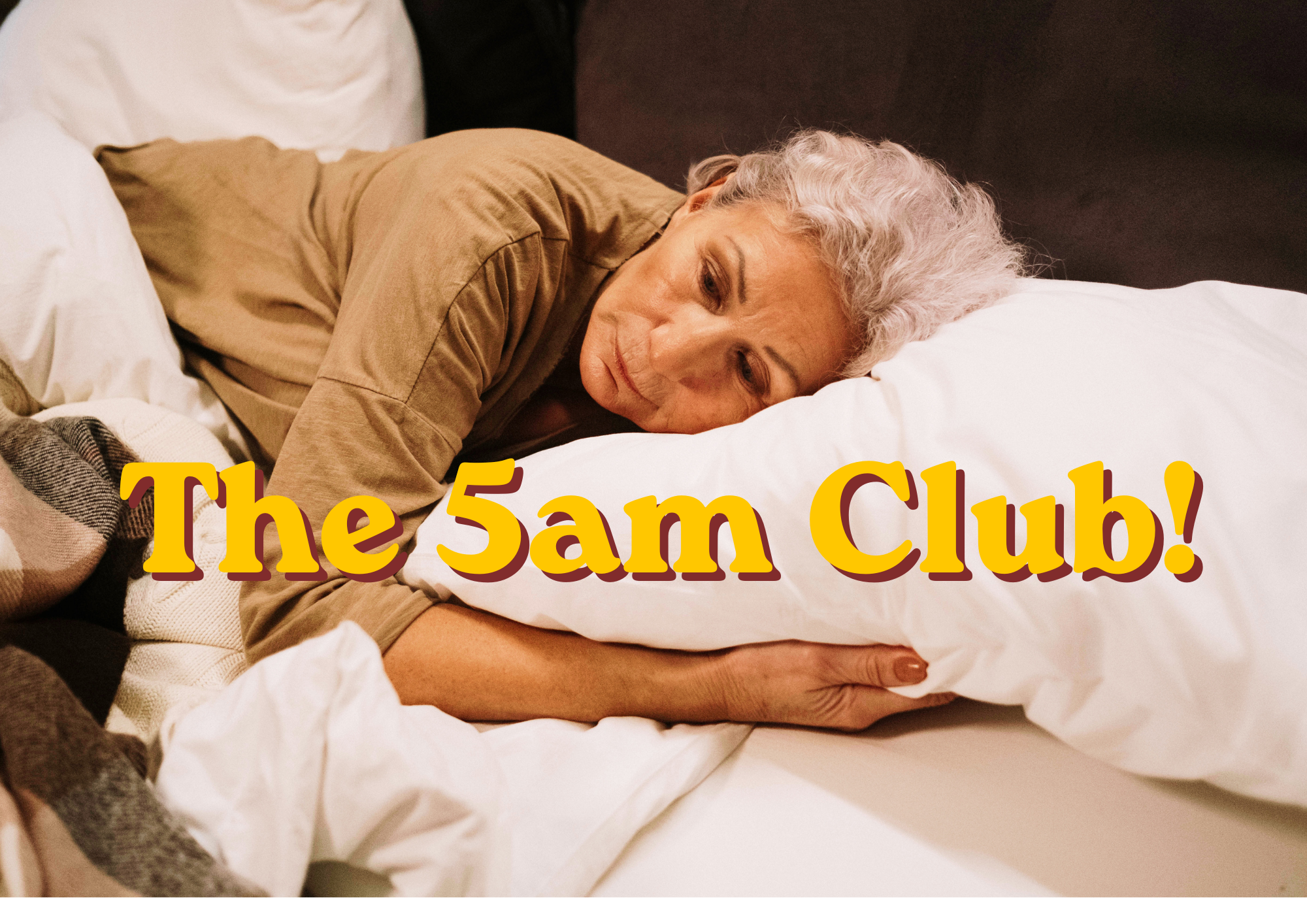
The 5am Club Nobody Signed Up For 8
Post 8: Why do older adults wake up earlier and sleep lighter? The real science behind circadian rhythm and melatonin changes — plus sleep idioms in English.
The Metabolism Myth (Blame It on Winter) 7
Post 7: Is "slowing metabolism" actually a myth? The real research behind why weight creeps up with age - hint: it's convenience and habits, not a broken metabolism - plus food and habit idioms in English.
Spring Reinvention
A short series on spring, renewal, and finding your English fluency.
You Don't Need the Whole Season — Just One Decision
Blooming isn't a group decision, some bud always opens first. Here's why you don't need the whole season to change your story, just one decision, made today.
What You Don't See Before the Bloom
Bare branches don't mean nothing's happening. The real work of reinvention, and fluency, happens underground, long before anyone can see it.

The Jacarandas Don't Wait for Permission to Bloom
Spring in Johannesburg doesn't wait for permission, the jacarandas just bloom. Here's what that has to teach us about fluency, confidence, and starting before you feel ready.
Women's Month
The importance of being a woman, what she stands for, her purpose in this world. Life without women. Empty

The Way She Always Deserved to Be Seen - Fact 29
Woman Fact 29, the finale: research on the "liking gap" shows we consistently underestimate how we're actually seen. The whole series in one closing truth: it's time to finally see yourself the way you always deserved to be.

It Was Never Really About the Dress - Fact 28
Woman Fact 28: Jennifer Garner was asked about balancing work and family all night. Her husband was asked about his co-star's looks. Real research on why "what are you wearing" was never the real question.

"No" Was Always a Complete Sentence - Fact 27
Woman Fact 27: People who set boundaries report 40% lower stress and 35% higher relationship satisfaction. Real research on why "no" was always a complete sentence, apology-free.

Her Joy Was Never Supposed to Need a Permission Slip - Fact 26
Woman Fact 26: Research on the "guilt gap" shows women feel more guilt around personal pleasure than men. Real research and Audre Lorde's radical idea that joy is genuine power, not something to earn.

Nobody Asked Her Which Legacy She Actually Wanted - Fact 25
Woman Fact 25: A study of 38 million obituaries found men remembered for achievement, women remembered for kindness. Real research on why her legacy deserves more than "nice."
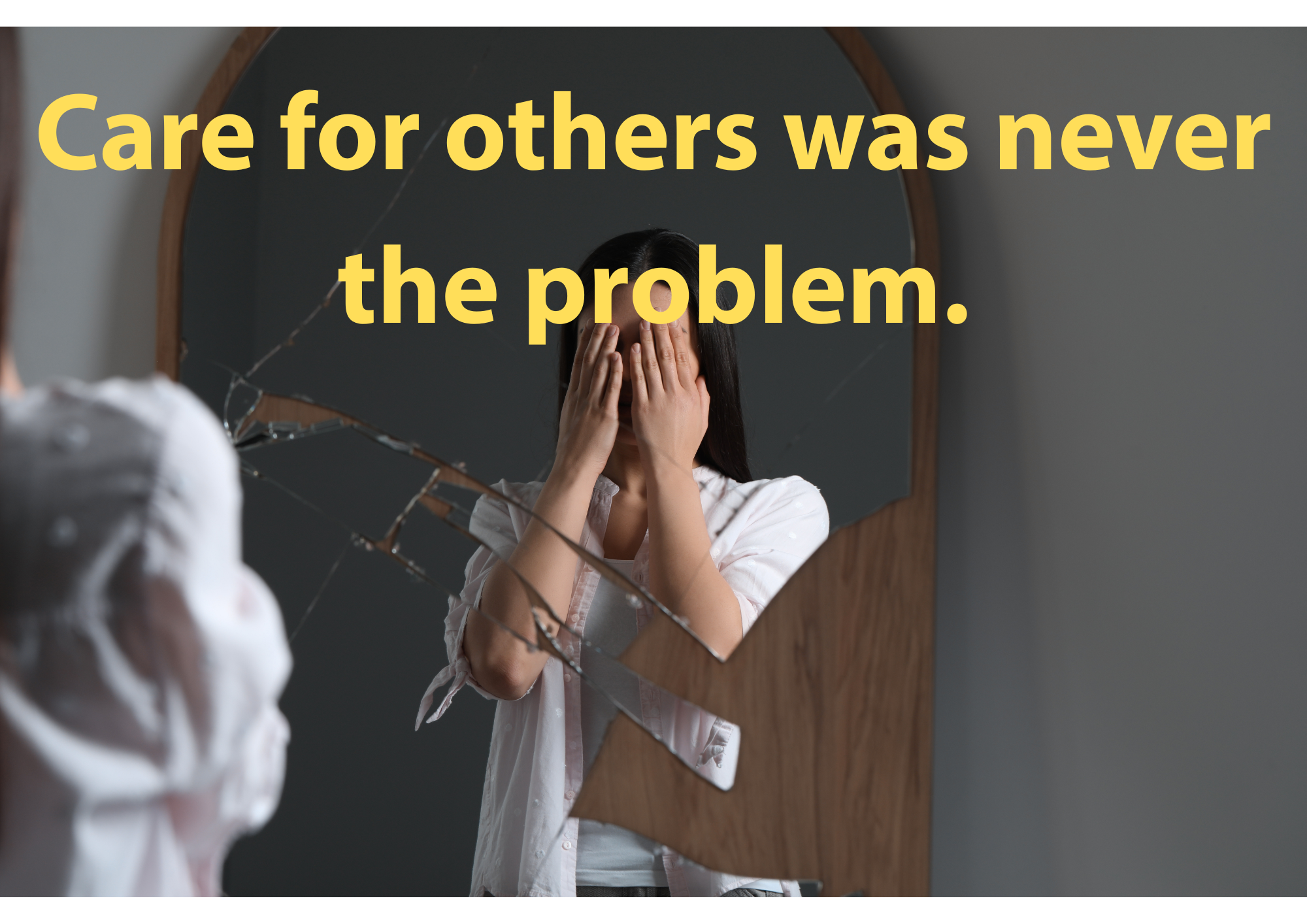
Her Needs Were Never Supposed to Be an Afterthought - Fact 24
Woman Fact 24: 80% of women know self-care matters, yet rarely practice it the way they care for everyone else. Real research on "contingent self-worth" and why her needs belong on the list too.
The Things We Were Told About Life
Investigating the sayings and life advice everyone repeats — and whether they actually hold up.

Follow Your Passion — What If You Don't Have One?
A Stanford study found that believing passion is pre-formed and waiting to be discovered makes people quit faster when things get hard.

Never Give Up — Really?
Research on "goal disengagement" found that people who can let go of unreachable goals have better health and well-being than people who refuse to quit.

Good Things Come to Those Who Wait — Or Do They?
The famous marshmallow test was redone with 10x more kids in 2018. Most of its predictive power disappeared once family income was accounted for.

Everything Happens for a Reason — Does It?
Grief professionals consistently flag "everything happens for a reason" as harmful. The psychology behind why we say it explains who it's really comforting.
AI: The New Uncomfortable Truth
On AI, authenticity, creativity and what it means to sound human in an automated world.
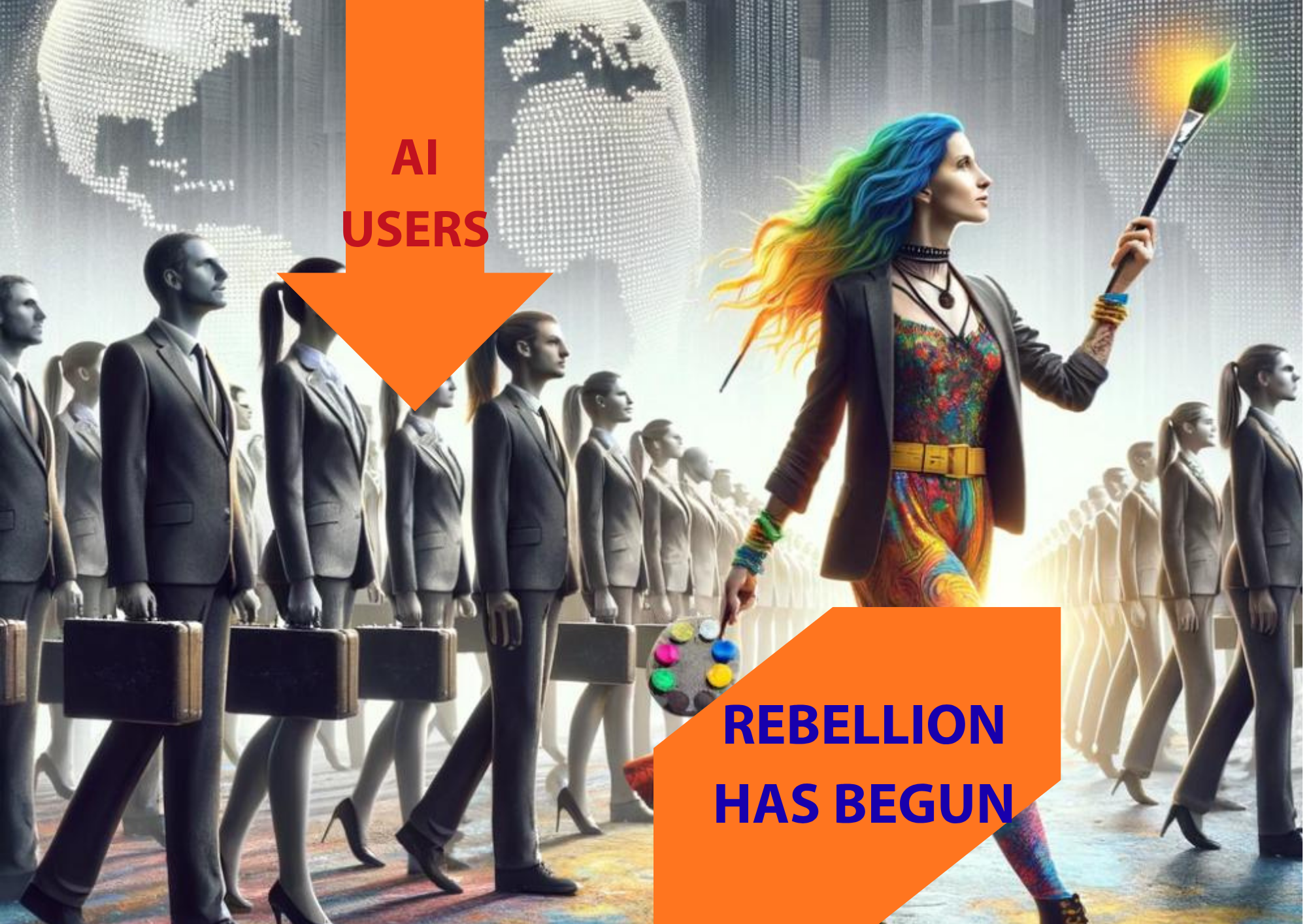
When Everyone Uses AI, Originality Becomes Rebellion
"AI slop" was 2025's word of the year. A year later, companies are racing to certify content as "human-made" and charging a premium for it.

AI Didn't Kill Creativity. We Did.
Creativity scores started falling in 1990. Pop music started homogenizing before streaming existed. The "AI killed creativity" story has a timeline problem.

The Influencer Who Doesn't Exist
Virtual influencers get 3x the engagement of real creators, and nearly half of consumers who say AI marketing makes them uncomfortable follow one anyway.

Why Are We Paying Humans to Pretend They're Authentic?
Brands pay creators to look unpaid, bad lighting, one take, casual delivery, because it converts. Now AI avatars do the same performance without a human at all.
Can You Still Tell a Human From a Machine?
GPT-4.5 was judged "more human" than actual humans in a real Turing test. The stranger finding: we're not getting worse at spotting fakes, we're getting worse at trusting what's real.
The Internet Is Becoming a Very Convincing Lie
Deepfakes fool people constantly. But the bigger danger might be the opposite: real evidence getting dismissed as fake. A look at the "liar's dividend."
Words We've Been Lied To About
An English teacher's take on the loaded words we use without ever questioning what they really mean.
"Failure" Who Decided Losing Means You Failed?
Rigorous replications found growth mindset changes beliefs but barely moves outcomes without real environmental support, a much smaller effect than the popular version claims.
"Old" — When Did It Become a Bad Word?
A 23-year Yale study found people with positive views of aging lived 7.5 years longer, more than the effect of not smoking or exercising, according to the American Psychological Association.

"Successful" Who Decided What Success Means?
"Success" originally just meant "an outcome", good or bad. The promise that it will make you happy was added later, and the arrival fallacy explains why it rarely delivers.

"Independent" — Does Needing Someone Make You Weak?
Attachment research shows secure dependence produces more independence, not less. The word "independent" may be pointing us in the wrong direction entirely.

"Strong" — Why Must Everyone Be Strong?
A classic study found that suppressing emotion doesn't lower distress, it just moves the cost into the body. "Strength" may be doing more harm than we admit.
"Nice" — When Did Nice Become an Insult?
"Nice" meant "foolish" for a century before it meant "kind." Its 700-year journey through six different meanings says something about how unstable the word still is.