Money & Success
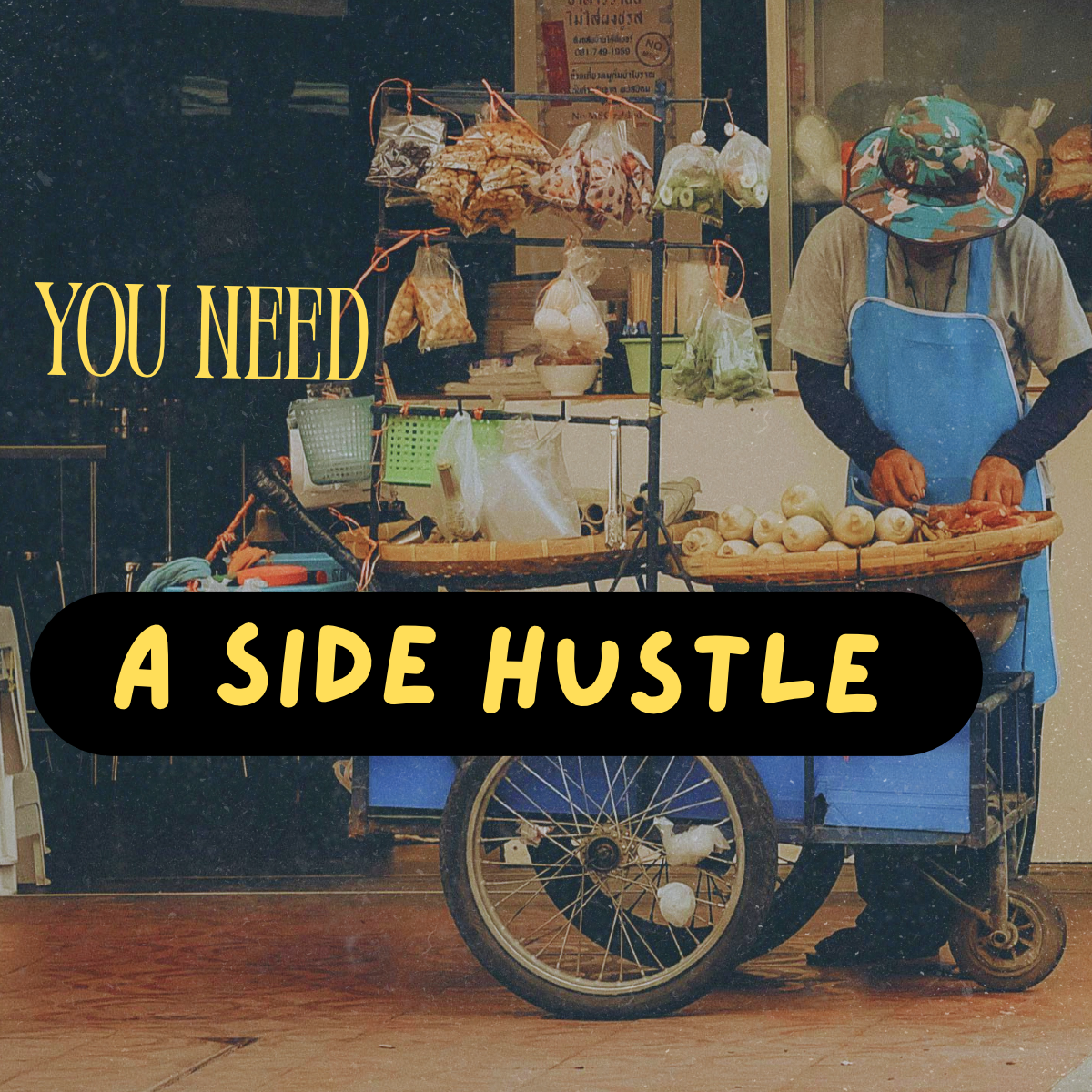
You Need a Side Hustle
Money & Success
Everyone seems to have one now. The coffee shop worker who sells candles. The nurse who drives for a delivery app. The accountant who edits videos at midnight.
“You need a side hustle” has become the advice of the moment. But do you?
In Monster's 2026 report, 42% of workers said they are considering an extra job. In The Penny Hoarder's 2026 survey of side hustlers, 62% said they treat their side hustle as job-loss insurance, and 65% said they feel burnout at least sometimes.
10-SECOND VERSION: A side hustle can add income and a feeling of security. But for many people it also adds burnout, and survey numbers are all over the place.
65% of side hustlers say they feel burnout at least sometimes.
What People Say....
One income is not enough. If you are not hustling on the side, you are falling behind. The more you earn, the higher the expenses, where does it stop, when is it enough?
Research
Surveys say side hustles are common, but the numbers depend on who asks. One survey (Omnisend, March 2026) found that 28% of Americans have a side hustle. Another, from a resume website (MyPerfectResume, 2026), reported that 72% of workers rely on some secondary income. The big difference shows how much survey method matters. Treat any single number with care.
The Penny Hoarder surveyed 1,000 people with an active side hustle in February 2026: 62% treat it as job-loss insurance, and 65% report burnout at least sometimes. In MyPerfectResume's survey, 52% said a second income makes them feel more secure.
Money numbers differ too. Bankrate reported a median side hustle income of about $200 a month in 2025, down from $250 in 2024. The Penny Hoarder's smaller survey of active side hustlers reported about $1,275 a month. Different people, different answers.
The same year gave two answers: 28% and 72%. Check the method before you trust the number.
The Usual Blah, Blah, Blah
Hustle posts show the income screenshot, not the tired face at 11 p.m. A side hustle is sold as freedom. For many people, it is a second job without a boss, and often without sick pay.
That is my opinion. The burnout numbers above are part of why I think it.
Experience
A teacher starts tutoring online. Month one: an extra $400. Month four: no free weekends and a shorter temper. She still needs the money. Now she also needs rest.
My Question
Am I doing this because I want to, or because I am afraid?
On the Other Hand
Side hustles can really help. Many people say a second income makes them feel safer, and some turn a small project into a main business. If you enjoy a skill, it can be satisfying. And if wages truly do not cover costs, extra income is not a lifestyle choice; it is a need.
The problem is the word “need”: it should not be applied to everyone. And these are surveys by companies, so each sample has limits.
The Stark Reality - Truth
Partly true. For some people, extra income is necessary and helpful. But “you need a side hustle” is not a rule for everyone, and the costs, time, rest, health, are real.
The Significance
What does it promise? That a side hustle is the key to security and success.
What does the evidence show? Surveys show it can add a sense of security, but also burnout, and the numbers vary a lot.
What should you do? Before you start, write down the hours, the real income after costs, and what you will give up.
Be Brave.
If you stopped your side hustle tomorrow, what would you lose, and what would you get back?
Frequently Asked Questions
How many people have a side hustle?
It depends on the survey. A March 2026 survey found 28% of Americans; a different 2026 survey reported that 72% of workers rely on some secondary income. Methods and definitions differ.
How much does a typical side hustle earn?
Estimates vary. Bankrate reported a median of about $200 a month in 2025, while a Penny Hoarder survey of active side hustlers reported about $1,275 a month. Different samples give different answers.
Can a side hustle cause burnout?
It can. In The Penny Hoarder's 2026 survey, 65% of side hustlers said they feel burnout at least sometimes. Burnout depends on your hours, your rest and how much you need the money.
Is a side hustle worth it if I am struggling with the cost of living?
Sometimes yes. Count the real hourly return after costs and tax, and decide how much rest you need to protect.
English Lesson: Talking About Extra Work
Every article on this blog is also an English lesson. Read slowly, say the new words out loud, and use them today.
New Words
side hustle (noun) means a job you do in addition to your main job to earn extra money. She sells jewelry as a side hustle.
gig (noun, informal) means a short job, often paid by the task. He does delivery gigs at the weekend.
inflation (noun) means a general rise in prices. Inflation makes food more expensive.
job security (noun phrase) means how safe your job is. Job security matters to me.
supplement (verb) means to add something to make it bigger or better. She supplements her income with tutoring.
juggle (verb) means to try to do several things at the same time. He juggles two jobs and a family.
Say This, Not That
Say “I do some freelance work on weekends.”
Don't say “I never stop working.”
Why? The first sentence is a clear fact. The second is an exaggeration that increases stress.
Say “I can't take on any more clients right now.”
Don't say “Sure, I'll fit it in somehow.”
Why? A clear limit protects your rest.
Say “I'm cutting back on my side work so I can rest.”
Don't say “I'm lazy for needing a break.”
Why? Rest is not laziness.
Grammar Spotlight: used to / be used to / get used to
used to + base verb = a past habit that has stopped. I used to work only one job.
be used to + -ing = something is familiar to you. I'm used to working late.
get used to + -ing = something is becoming familiar. I'm getting used to working two jobs.
Common mistake: After be used to and get used to, use -ing, not the base verb.
I'm used to work two jobs.
I'm used to working two jobs.
Quick Practice
I ___ work only one job, but now I have two. (used to / am used to)
She is used to ___ up early. (get / getting)
Fix the mistake: I'm getting used to work at night.
Answers: 1. used to · 2. getting · 3. I'm getting used to working at night.
Enjoyed this lesson? Subscribe to English with Sue and become an active student. Every article gives you new words, useful phrases and one grammar point. Today's challenge: write one sentence with a new word and say it out loud.