Fluency tips
Getting Older, Post 11: The Quiet Resignation of My Muscles
You used to carry all the shopping bags in one trip. Now one bag of potatoes negotiates with your shoulder. transitioned into many trips with 2 shopping bags, one per hand. My limit
Getting Older, Post 11: The Quiet Resignation of My Muscles
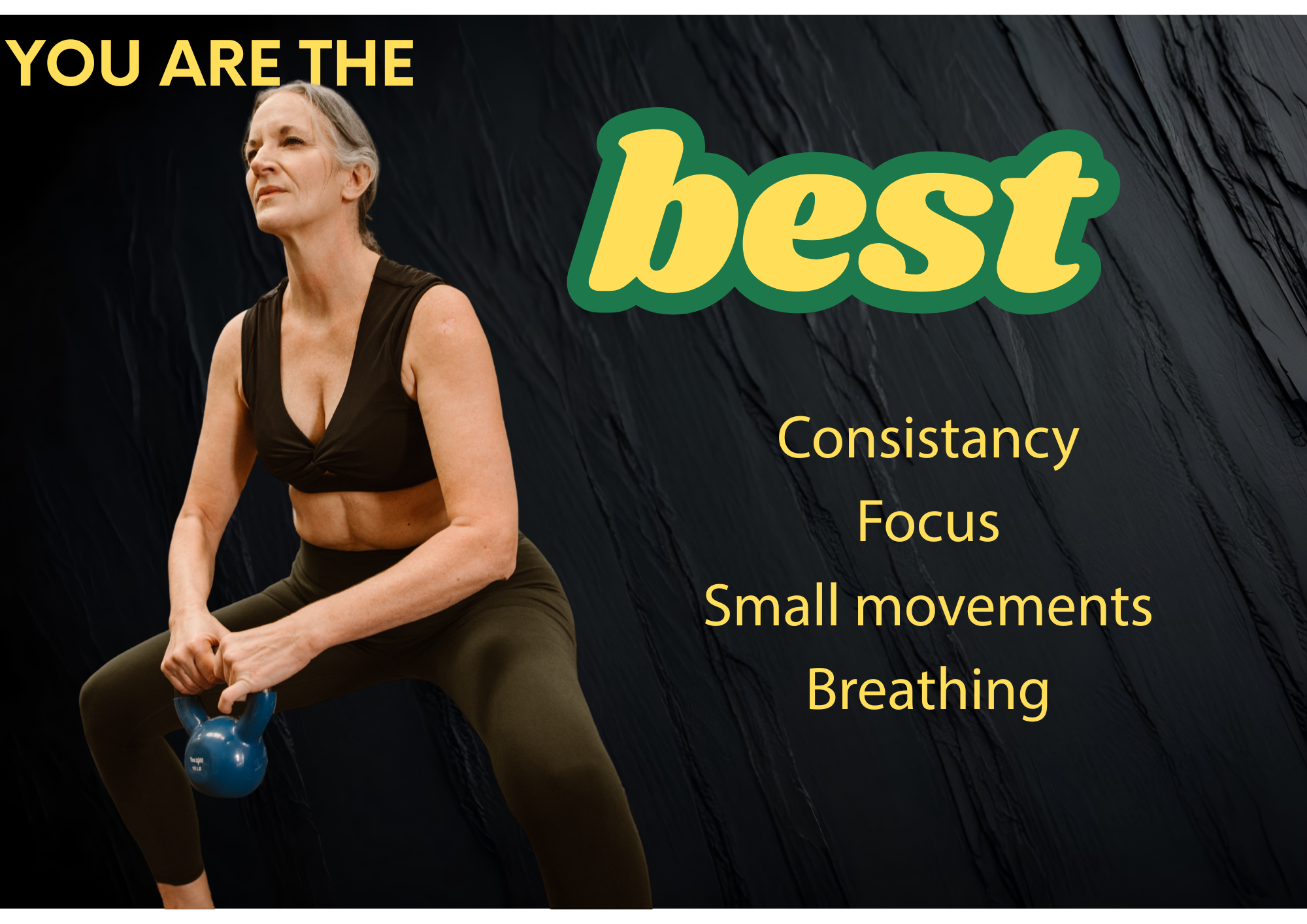
Right here, this moment in time, is pure truth. What did you think, a few sit-ups, squats, leg-raisers, and a bit of walking, would tone you and build muscle? You must be joking! Let's start with where it actually begins: the mind. Following that is the will, then the time, and lastly, the effort. I assure you, consistency and repetition will EVENTUALLY get you close, not quite there, but close.
It's been six months now, but hard work pays off, like a snail, slowly but surely. The rewards are great. It's like Spring: renewal, glow, energized, and eventually, everything blossoms. Pity I can't say the same about hair and teeth, they don't regrow, no matter how consistent you are.
Laziness is not part of my DNA, and challenging myself is foremost. Remember, the heart is a muscle too, so don't put strain on it all at once. Just in the last week, three people, friends, well known to me, did not recognize me at all, not until I opened my big mouth. Hard work every day will pay off. With the years piling up, amongst all the other things we tend to forget easilt, so try to remember not to forget.
The Science: Why Muscle Naturally Declines With Age
This one even has an official medical name: sarcopenia, the gradual, age-related loss of muscle mass and strength. Starting around your 30s, and accelerating from your 60s onward, muscle fibers naturally shrink and decrease in number if they aren't regularly used. The body also becomes less efficient at building new muscle protein in response to exercise or diet, a phenomenon researchers call "anabolic resistance", basically, the same effort that used to build muscle easily now needs more consistent, deliberate work to produce the same result, exactly as Sue's six-month, snail-paced journey shows.
Hormonal shifts play a role too, declining levels of growth hormone and, in different ways for men and women, sex hormones that support muscle maintenance. Add in a natural tendency toward less daily physical activity as life gets busier or less physically demanding, and the muscle loss compounds quietly over decades, right up until a single bag of potatoes suddenly feels like a genuine negotiation.
And, as always in this series, not just a human experience. Sarcopenia-like muscle decline has been documented across many aging mammals. Somewhere, an elderly dog is also quietly resigning from jumping onto the couch in one smooth motion.
What Actually Helps
Strength train, specifically. Resistance exercise is the single most effective, well-documented way to slow and even partially reverse sarcopenia, at any age, including well into your 80s and 90s.
Eat enough protein, spread through the day. Muscle-building protein synthesis works best with protein at each meal, not just one large serving in the evening.
Stay generally active. Daily movement, not just formal workouts, helps maintain the muscle you have.
Prioritize sleep. Muscle repair and growth largely happen during deep sleep, tying this post back to our sleep post, everything in this series really is connected.
Build up gradually, not all at once. As Sue reminds us, the heart is a muscle too, so ease into intensity rather than shocking your whole system on day one.
Don't wait for a "good time" to start. Studies consistently show meaningful strength gains are possible even for people starting resistance training for the first time in their 70s and 80s.
Here's the Part Worth Remembering
Yes, the quiet resignation is real, and no amount of wishing brings back the strength that once carried every shopping bag in one heroic trip. But here's the genuinely good news hiding in the science: unlike some of the other changes in this series, this is one of the most responsive to real, direct action, at any age. Six months of snail-paced consistency can genuinely change how your own friends recognize you. The youth have muscle they've never had to fight to keep. We get the actual satisfaction of building it back, on purpose, and knowing exactly how we did it, glow and all, even if the hair and teeth didn't get the same memo.
English Corner: Strength and Effort Idioms
"Flex your muscles" means to show off strength or ability. "The company flexed its muscles in the new market."
"Muscle memory" means the ability to do something automatically from repeated practice. "My fingers just know the keys, it's muscle memory."
- "Put your back into it" means to try hard, with real physical or mental effort. "Come on, put your back into it!"
Try this today: Use one of these three idioms out loud, about your actual day, bonus points if a bag of potatoes was involved.
What is sarcopenia, and what actually slows it down the most?
Question: What is sarcopenia, and what actually slows it down the most?
Answer: Sarcopenia is the age-related loss of muscle mass and strength. Strength training is the single most effective, well-documented way to slow or partially reverse it, at any age.