Fluency tips
Getting Older, Post 10: My Taste Buds Switched Teams
The dish you loved for forty years suddenly tastes like cardboard, and the one you hated as a kid is now surprisingly delicious. The one time I can say, "not my time yet"
Getting Older, Post 10: My Taste Buds Switched Teams
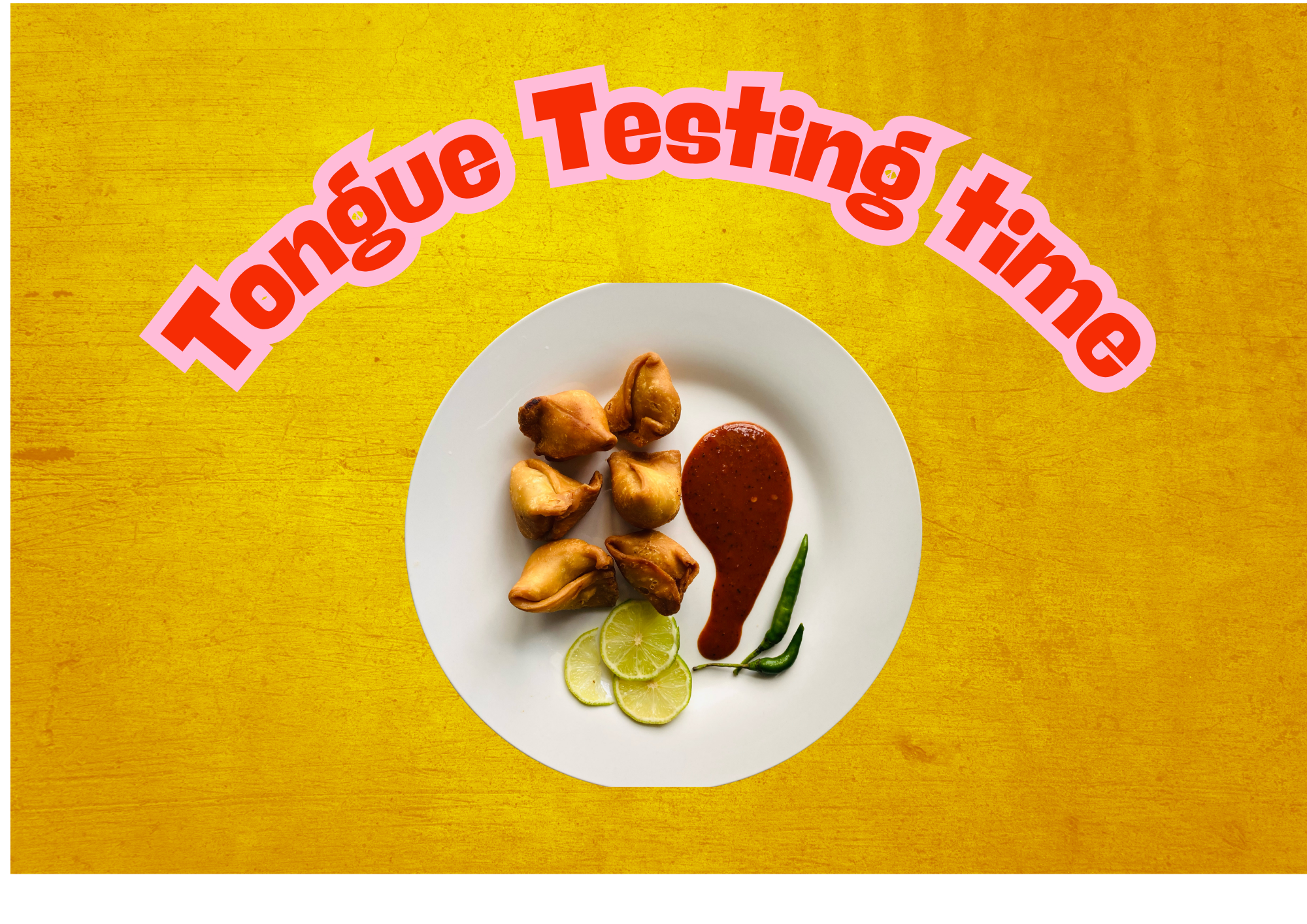
My story is no ordinary story here, because I've developed a very strong affinity to chilli. It used to just be "spicy" to me. Now it's chilli, specifically, and I need it. I still lean towards a bit of sweet too, like me, if I do say so myself. Mine did not switch teams, we simply added a powerful player- Chilli.
Take wine, for example. My first glass decides whether it's a good, tasty wine or not. After that first glass, everything tastes exactly the same, every glass after it, no distinction whatsoever. I've always been weight-conscious, even as a child, and I still am now. But as I matured, I started eating genuinely healthy foods, and it all tasted great. Fact is, it still does, only difference being: add the chilli.
For me, I taste a dish mentally first, then follow through with actually making it according to that imagined taste. I haven't quite reached the stage yet where my actual taste buds have changed on me the way this whole post describes, but then again, I've been far too busy doing absolutely nothing to even eat properly and test the theory. I must find the time to properly test my own taste buds one of these days, don't you think?
The Science: Why Food Actually Tastes Different As We Age
Taste isn't just about your tongue, it's a partnership between roughly 10,000 taste buds and your sense of smell, which together create the full flavor experience. Both parts of that partnership change with age. Taste buds regenerate more slowly over time, and their overall number and sensitivity gradually decline, particularly for sweet and salty flavors. Your sense of smell, which does the majority of the actual "flavor" work (try tasting anything with a blocked nose), also weakens gradually, a condition called presbyosmia.
The practical result: food that once tasted perfectly seasoned can start to taste bland or flat, simply because it takes more stimulation to register the same flavor intensity. This is exactly why so many older adults reach for extra salt, sugar, or, as Sue can confirm, a genuinely heroic amount of chilli, not out of bad habit, but because their system genuinely needs a stronger signal to register the same taste it always did.
Interestingly, this decline isn't uniform across all tastes. Sensitivity to sweet and salty flavors tends to fade first and most, while bitter and sour (and, notably, spicy heat, which is technically a pain signal rather than a true taste) often remain more intact for longer, which may explain why a food you once found unbearably bitter or fiery as a child can taste genuinely pleasant, even craveable, decades later.
And, keeping with the theme of this series, not just a human experience. Many animals show measurable declines in taste receptor sensitivity with age too. Somewhere out there, an elderly cat is also side-eyeing its usual food, wondering why it suddenly tastes different. Ask Alex, she tells you what she prefers, believe me it is true.
What Actually Helps
Lean into herbs and aromatics, not just salt and sugar. Since smell drives most of flavor, strong herbs, garlic, citrus, and spices (chilli very much included) can boost perceived flavor without relying purely on salt or sugar.
Get regular dental and sinus check-ups. Oral health issues and chronic sinus problems can worsen taste and smell changes beyond the normal aging process, and are often fixable.
Stay hydrated. A dry mouth measurably dulls taste perception, sipping water with meals can genuinely help.
Don't smoke. Smoking significantly accelerates the decline of both taste and smell.
Give new foods a real chance. Since flavor perception is shifting anyway, this is a genuinely good moment to revisit foods you disliked years ago, they may taste completely different now.
Here's the Part Worth Remembering
Yes, the flavor fade is real, and no amount of nostalgia brings back exactly how a childhood meal used to taste. But here's the genuinely delightful upside: your palate gets an actual second chance. Foods you swore you'd hate forever can quietly become favorites, all because your own taste buds decided to switch teams without asking permission, chilli and all. The youth are stuck with the same flavor preferences they've had for years. We get an entirely new menu to discover, whether we ordered it, or simply developed an affinity for it somewhere along the way. You never too old to learn, huh? a little late for that........
English Corner: Food and Taste Idioms
"Acquired taste" means something you grow to like over time. "Blue cheese is definitely an acquired taste."
"Not my cup of tea" means something you don't personally enjoy. "Spicy food really isn't my cup of tea."
"Leave a bad taste in your mouth" means to leave someone with a negative feeling about something. "That argument left a bad taste in my mouth."
Try this today: Use one of these three idioms out loud, about something you actually ate today, bonus points if it surprised you.
Why does food often taste different as we age?
Question: Why does food often taste different as we age?
Answer: Both taste bud sensitivity and sense of smell (presbyosmia) gradually decline with age, and since smell drives most of flavor perception, food can taste blander, especially sweet and salty flavors.