Fluency tips
Getting Older, Post 7: The Metabolism Myth (Blame It on Winter)
"Your metabolism slows down as you age", except, does it really? Or is it just that the fridge got closer and the willpower got further away? Today, I'm calling it: I don't believe the metabolism myth for a second.
Getting Older, Post 7: The Metabolism Myth (Blame It on Winter) We will find another reason next Winter.
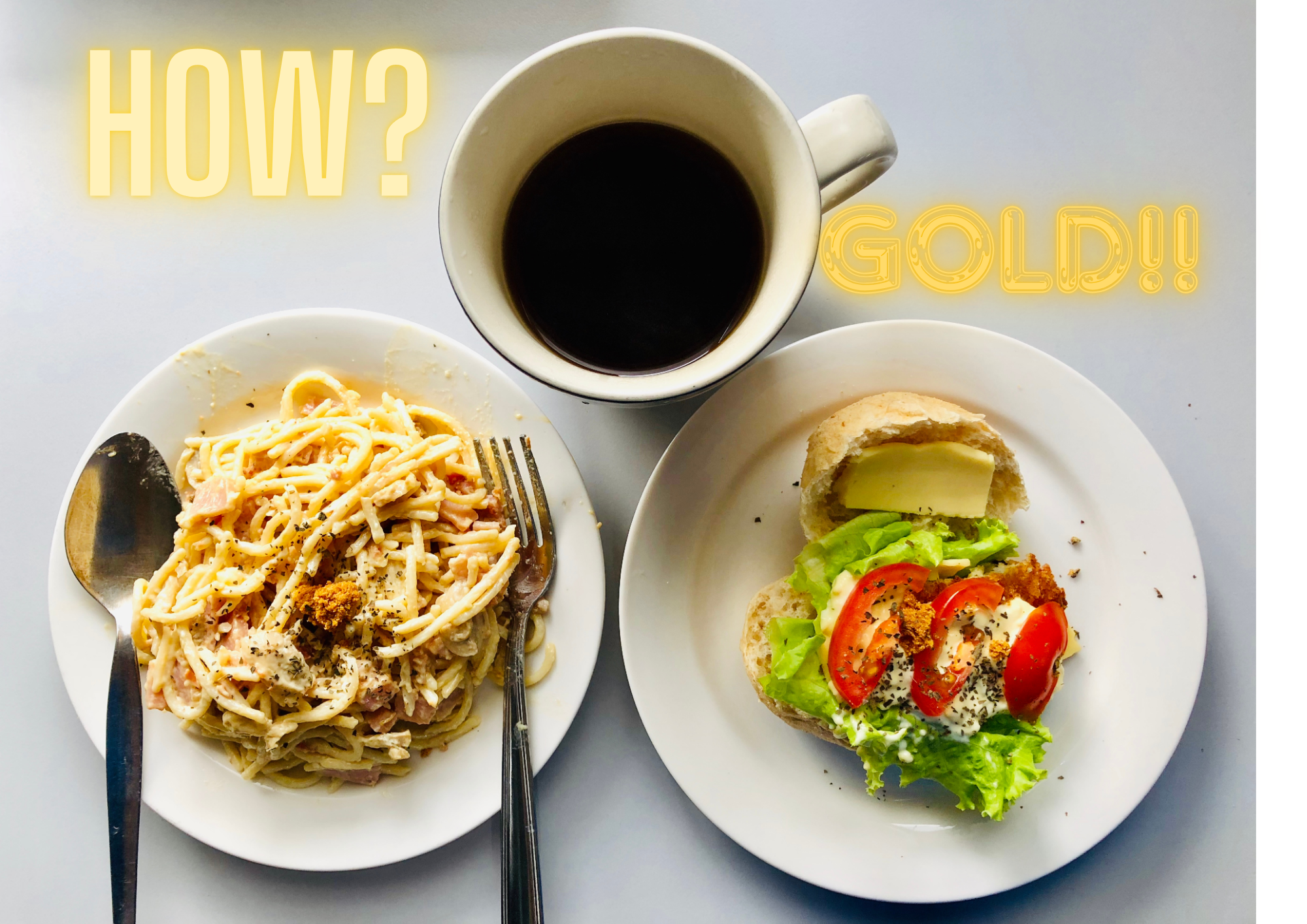
Without quite so much on our hands these days, there's no policeman standing guard at the kitchen door, or the fridge door, for that matter. And honestly, I don't believe for one second that our metabolism actually slows down. That feels like a very convenient myth. Food and snacks are right there, in front of us, closer and quicker to reach than they've ever been in our whole lives. These days, everything is ready-made, wrapped, and waiting. So we eat, and we eat, all day long, and our bodies simply cannot keep up with the sheer volume of it.
My personal weakness is watching telly in bed and getting the munchies. Biltong, chips, a glass of wine, and my absolute worst enemy: sweets. And then, how in heaven's name is any of that supposed to burn off, when I fall straight asleep five minutes later? I genuinely find it harder and harder to break the bad habits and build the good ones. So, let's just blame it on winter, and call it a day.
The Science: Is Metabolism Slowdown Actually a Myth?
Here's where it gets genuinely interesting: Sue's instinct is largely backed by real research. A major study on energy expenditure across the human lifespan found that resting metabolic rate actually stays fairly stable through most of adulthood, roughly from your 20s all the way to your 60s, once body size and muscle mass are accounted for. The dramatic "metabolism crash" people blame for midlife weight gain mostly isn't there, at least not during the decades most people worry about it.
So what's actually happening? A few very real, very unglamorous things: activity levels tend to drop as life gets busier or more sedentary, muscle mass (which burns more calories than fat, even at rest) gradually declines without regular strength use, and, exactly as Sue described, food today is more available, more convenient, and more calorie-dense than at almost any other point in human history. Snacking in front of the TV isn't a metabolic failure. It's a completely understandable response to constant, effortless access to tasty, ready-made food, in a body that hasn't actually slowed down nearly as much as advertising would like you to believe.
And, keeping with the theme of this whole series I ussure you, this pattern isn't unique to humans either. Many animals in captivity, with constant easy access to food and less need to forage, show similar weight gain patterns compared to their wild counterparts. Convenience, it turns out, affects waistlines universally.
What Actually Helps
Keep muscle, don't just chase cardio. Strength training preserves the muscle mass that keeps your resting calorie burn higher, which matters more long-term than any single workout.
Make convenience work for you, not against you. Pre-cut fruit or nuts within reach beats a full pantry of ready-made snacks at arm's length, the goal is redirecting convenience, not fighting it head-on.
Watch the mindless snacking window. Eating in front of a screen genuinely reduces awareness of how much you've eaten, it's not a willpower failure, it's just distracted eating, and it's fixable with small, boring changes like plating a snack instead of eating from the bag.
Move throughout the day, not just at the gym. Total daily movement (walking, standing, fidgeting) matters more for overall energy use than most people realize.
Be honest about the habit loop, not the metabolism. Since the real issue is usually access and habit, not a broken metabolism, the fix is changing the habit loop, same trigger, smaller or different reward, rather than blaming your body for something it isn't actually doing.
Here's the Part Worth Remembering
Here's the genuinely good news hiding in all this: your body isn't betraying you. It isn't slowing down behind your back to sabotage you in secret. It's just responding, completely reasonably, to a world that's made snacking easier than it's ever been. That's not a character flaw, and it's definitely not a doom-and-gloom aging story, it's just modern life, and a wine-and-biltong evening in front of the telly, enjoyed properly, is one of the actual perks of getting older. We've earned the right to enjoy it without pretending our metabolism owes us an apology for existing.
English Corner: Food and Habit Idioms
"Have your cake and eat it too" means to want two good things that can't usually happen together. "You can't have your cake and eat it too."
"The munchies" means a sudden craving for snacks. "I got the munchies watching a movie last night."
"Creature of habit" means someone who likes to do the same things the same way. "I'm a creature of habit and I am a root , same snack, same spot, every night."
Try this today: Use one of these three idioms out loud, about your actual evening, bonus points if biltong or sweets are involved.
Does resting metabolism actually crash dramatically through most of adulthood?Quick Check: Tap to reveal the answer
Question: Does resting metabolism actually crash dramatically through most of adulthood?
Answer: Not really. Research shows resting metabolic rate stays fairly stable from your 20s to 60s. Weight gain is more often linked to lower activity, muscle loss, and easier access to convenient food than to a mysteriously slowing metabolism.