Fluency tips
Getting Older, Post 6: Did Gravity Steal My Voice?
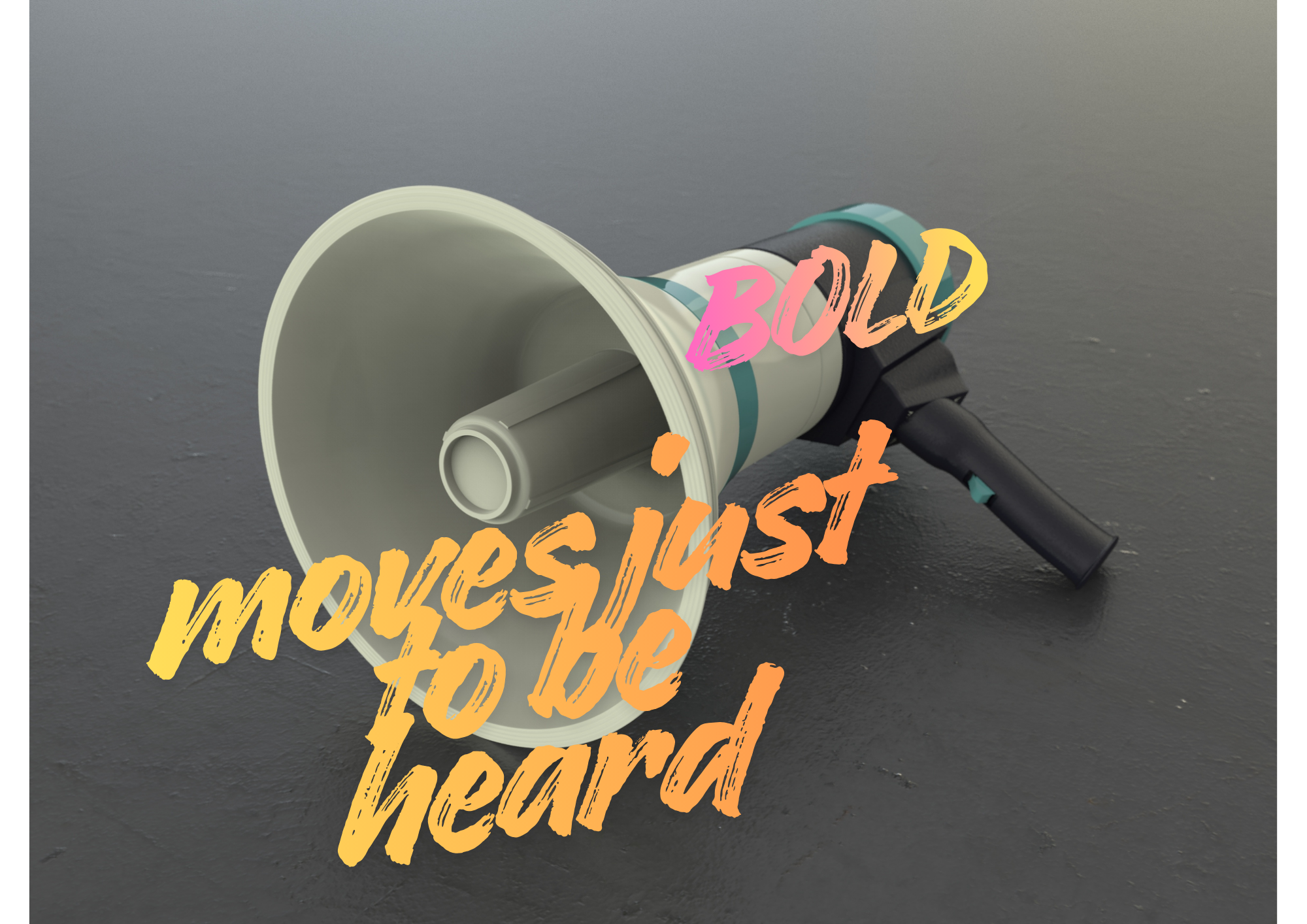
My hearing is good. Still good. But apparently, other people can't hear ME anymore. Today I ask the real question: did I let gravity steal my voice?
Getting Older, Post 6: Did Gravity Steal My Voice?
Here's a plot twist nobody warned me about. My hearing? Perfectly fine, thank you very much. I catch every whisper, every dropped comment across the room, every "did you hear that?" before anyone else does. But lately, I've noticed something far more suspicious: I'm having to repeat myself far more often than I ever used to. Not because people are rude. Not because they're distracted. Because, somehow, they genuinely cannot hear me the first time.
So naturally, I've had to ask myself the important question here: did I let gravity steal my voice, the same way it's apparently been quietly stealing everything else these past few years? Is my voice down there somewhere with my youthful jawline, having a nice little chat with my collagen? Did they form a support group without me?
Whatever the answer, here's what I've learned: I now say everything twice. Some things three times. My family has started nodding along the first time just to be polite, then leaning in and saying "sorry, what?" the second time, which is somehow both infuriating and, I'll admit it, a little bit hilarious.
The Science: Why Voices Change As We Age
Turns out, Sue's instincts weren't far off. There's an actual medical term for this: presbyphonia, the age-related change in the voice itself. Your vocal cords are made of delicate folds of tissue, muscle, and the same collagen and elastin that give your skin its bounce (yes, the very same proteins from our skin post, they're clearly overworked at this point). As we age, those vocal fold tissues can thin, lose elasticity, and the surrounding muscles can lose some mass and strength, much like muscles anywhere else in the body.
The result: a voice that's often quieter, breathier, and less able to project with the same force it once did, even though the vocal cords still vibrate and produce sound perfectly well for normal conversation. It's not that you're suddenly mumbling, it's that projecting your voice across a room now takes measurably more effort than it used to, which is exactly why "sorry, what?" starts showing up more often, even in people with excellent hearing on the listening end.
And, right on brand for this whole series, not just a human thing. Vocal fold aging shows up across many animals with similar vocal anatomy. Somewhere out there, an elderly bird is also being asked to repeat its birdsong.
What Actually Helps
Stay vocally active. Regular talking, reading aloud, or even singing keeps the muscles around your vocal cords engaged, much like exercise for any other muscle group.
Hydrate well. Well-hydrated vocal cords vibrate more easily and efficiently, dehydration makes the voice noticeably more strained.
Project from your diaphragm, not your throat. Speaking from deeper breath support reduces strain on the vocal cords themselves and genuinely helps you be heard without shouting.
Don't smoke, and limit alcohol. Both are well-documented irritants to vocal cord tissue over time.
See a speech-language pathologist if it's affecting daily life. Voice therapy has real, evidence-backed techniques for strengthening projection and vocal stamina at any age.
Warm up your voice, like an instrument. A few minutes of gentle humming or vocal warm-ups before a big talking day genuinely helps, the same way you'd stretch before exercise.
Here's the Part Worth Remembering
Here's the truth: this whole series has been full of odd, unexpected little changes, hair, eyes, joints, memory, skin, and now, apparently, my very voice deciding to phone it in a little. And you know what? It's actually a genuine privilege to be here experiencing every strange, ridiculous thing my body throws at me next. It doesn't get worse. It gets better, and funnier, with every single new plot twist. You have to love it. You have to love us, all of us out here repeating ourselves twice, cracking at the knees, squinting at menus, and laughing the whole way through. There's nobody I'd rather be getting old alongside than every single reader nodding along right now, saying "sorry, what?" and laughing anyway.
English Corner: Voice Idioms
"Lose your voice" meas to be unable to speak, usually from illness or overuse. "I lost my voice after the concert."
"At the top of your lungs" means as loudly as possible. "He shouted at the top of his lungs."
"Say it in so many words" means to state something directly and clearly. "She didn't say it in so many words, but I got the message."
Try this today: Use one of these three idioms out loud, about your actual day, bonus points if you have to say it twice for someone to catch it.
What is presbyphonia?
Question: What is presbyphonia?
Answer: The age-related weakening and thinning of the vocal cords and surrounding muscles, which makes the voice quieter and less able to project, even when hearing on the listener's end is perfectly fine.
More articles