
Fluency tips
Getting Older, Post 5: The Souvenirs My Face Refuses to Return
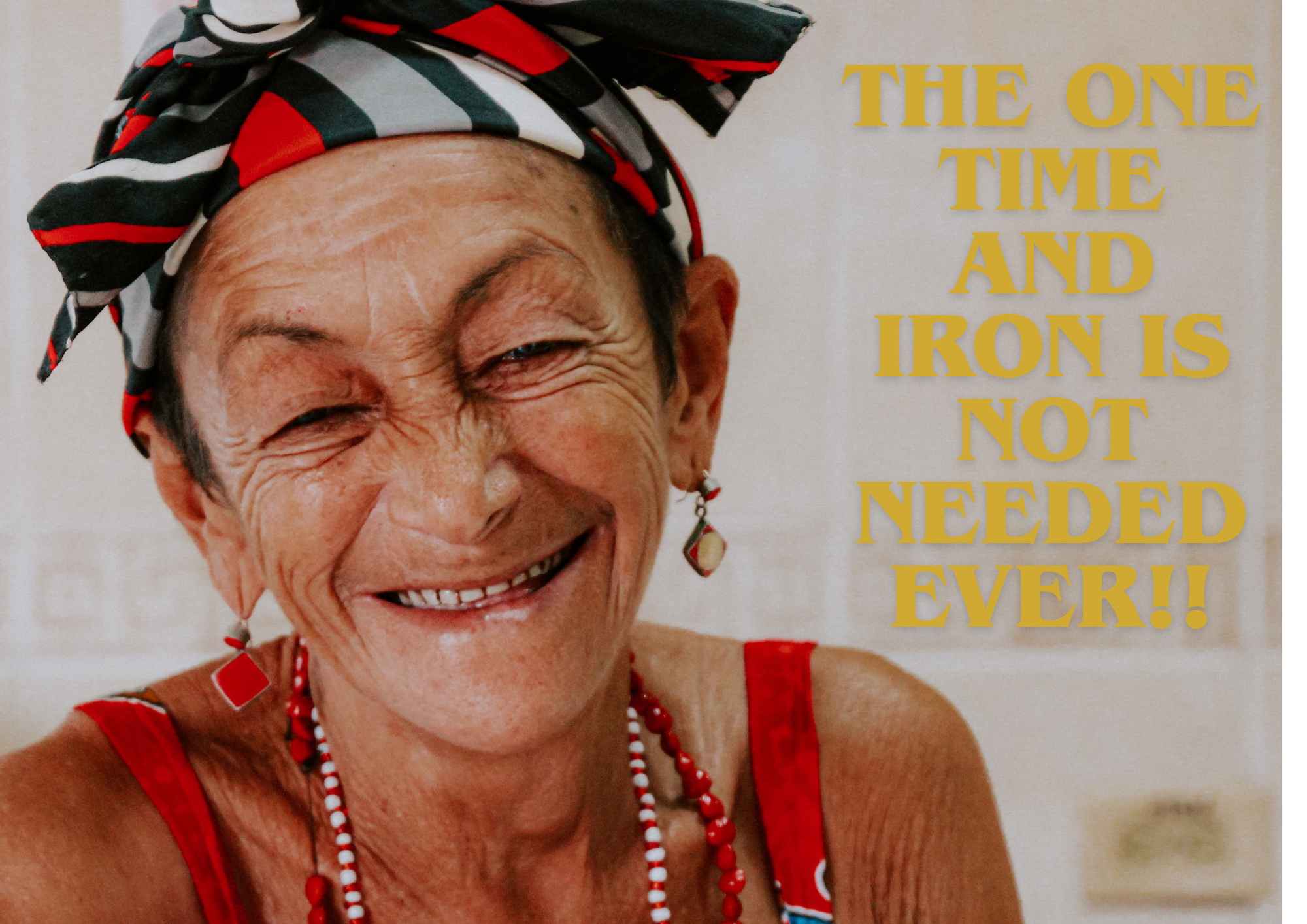
One day you laugh, and the laugh line stays behind as a souvenir, permanently. Those are the things you get on holidays, special outings, so as to tell the world that "I was here." I guess that is what our "souvenirs" are saying: "We were there for years, but we're here now, and we have the battle scars to prove it."
Getting Older, Post 5: The Souvenirs My Face Refuses to Return
Did you ever think your mirror would become your bestie? Mine did, uninvited, without so much as a friend request. My home is filled with mirrors — practically wallpapered in them — but for thirty-odd years, I never actually saw them. Not vanity, I promise. Back then it was just clever decorating: make a small room look bigger, make the passage look longer, that sort of thing. The mirrors were furniture. They were not, under any circumstances, meant to talk back.
Then, of late, I catch myself walking past one of these decorative, perfectly innocent mirrors, and there's this stranger looking back at me. Not a polite stranger, either. A full-on "who let you in my house" stranger. Wow. It's not possible, I think. This must be my mother, trying to communicate with me from the other side, using my own bathroom mirror as some kind of celestial hotline. I check with my glasses on. I check with my glasses off. The resemblance is uncanny either way, which is somehow both comforting and deeply alarming at the same time.
Where have the years gone — the days when I used to turn heads walking into a room? Now, apparently, I'm the one turning my own head, frantically, trying to figure out why absolutely no one else is turning theirs anymore. (If this sounds familiar, dear reader, yes, it's the exact same neck workout from the hair post. My neck, it seems, has been hired for multiple unrelated defensive missions over the years, and it never once asked for hazard pay.)
So now my mirror and I have an understanding. It shows me my mother's ghost, my own battle scars, and the occasional shocking realization, all before 7am, free of charge, no appointment necessary. Best friends really do tell you the truth, whether you asked for it or not.
The Science: Why Skin Changes As We Age
Your skin's firmness and bounce come from two key proteins: collagen, which gives skin its structure and strength, and elastin, which lets it stretch and snap back into place. Starting in our mid-20s, collagen production naturally slows down, roughly 1% per year, and existing collagen and elastin fibers gradually break down and become less organized. Less structural support means skin becomes thinner, less elastic, and more prone to folding into the same lines your facial expressions have carved into it for decades — which is exactly why laugh lines and frown lines settle in right where you've laughed and frowned the most.
Sagging works the same way, but with gravity added to the mix: as the deeper support layers (collagen, elastin, and even underlying fat pads) lose volume and structure, skin has less scaffolding holding it up and in place. It's less "skin failing" and more "skin's support team gradually retiring."
And, predictably — this isn't just a human experience. Skin aging, in some form, happens across mammals with skin structurally similar to ours. Wrinkles are, quite literally, a universal souvenir of having lived long enough to earn them.
What Actually Helps
- Wear sunscreen, daily, always. UV exposure is the single biggest controllable factor in visible skin aging — far more than any cream on the market.
- Don't smoke. Smoking measurably accelerates collagen breakdown and reduces blood flow to the skin.
- Stay hydrated and moisturize. Well-hydrated skin looks and behaves more elastic, even if it can't reverse deeper structural changes.
- Eat for your skin. Diets rich in antioxidants (berries, leafy greens) and healthy fats support collagen health from the inside.
- Get enough sleep. Skin repair happens overnight; chronic poor sleep is linked to visibly faster skin aging.
- Ask a dermatologist about retinoids. Of all the skincare ingredients on the market, retinoids have some of the strongest actual clinical evidence for supporting collagen production.
Here's the Part Worth Remembering
Yes, the lines are real, and no cream fully erases decades of laughing, squinting into the sun, and making ridiculous faces at babies. But here's what actually matters: every single one of those lines is evidence of an expression that happened, over and over, because life gave you a reason to make it. Smooth, untouched skin has never laughed at anything yet. Mine has laughed at plenty, and it shows, proudly, right there on my face — with my mother apparently checking in occasionally to admire the resemblance.
English Corner: Skin and Appearance Idioms
- "Age like fine wine" — to improve or look better with age. "She's aged like fine wine."
- "Thick-skinned" — not easily upset by criticism. "You need to be thick-skinned in this job."
- "By the skin of your teeth" — barely managing to succeed. "I passed the exam by the skin of my teeth."
Try this today: Use one of these three idioms out loud, about your actual day — bonus points if a mirror was involved.
Quick Check: Tap to reveal the answer
Question: What are the two key proteins responsible for skin's firmness and elasticity?
Answer: Collagen (structure and strength) and elastin (stretch and snap-back) — both naturally decline in production and quality as we age.
More articles

Getting Older, Post 4: The Room I Walked Into For No Reason
Getting Older, Post 3: The Percussion Section (a.k.a. My Knees and Hips)

The Day My Washing Machine Promoted Me to Plumber (Without the Pay Raise)