Fluency tips
Getting Older, Post 12: Short, Shorter, and Still Standing
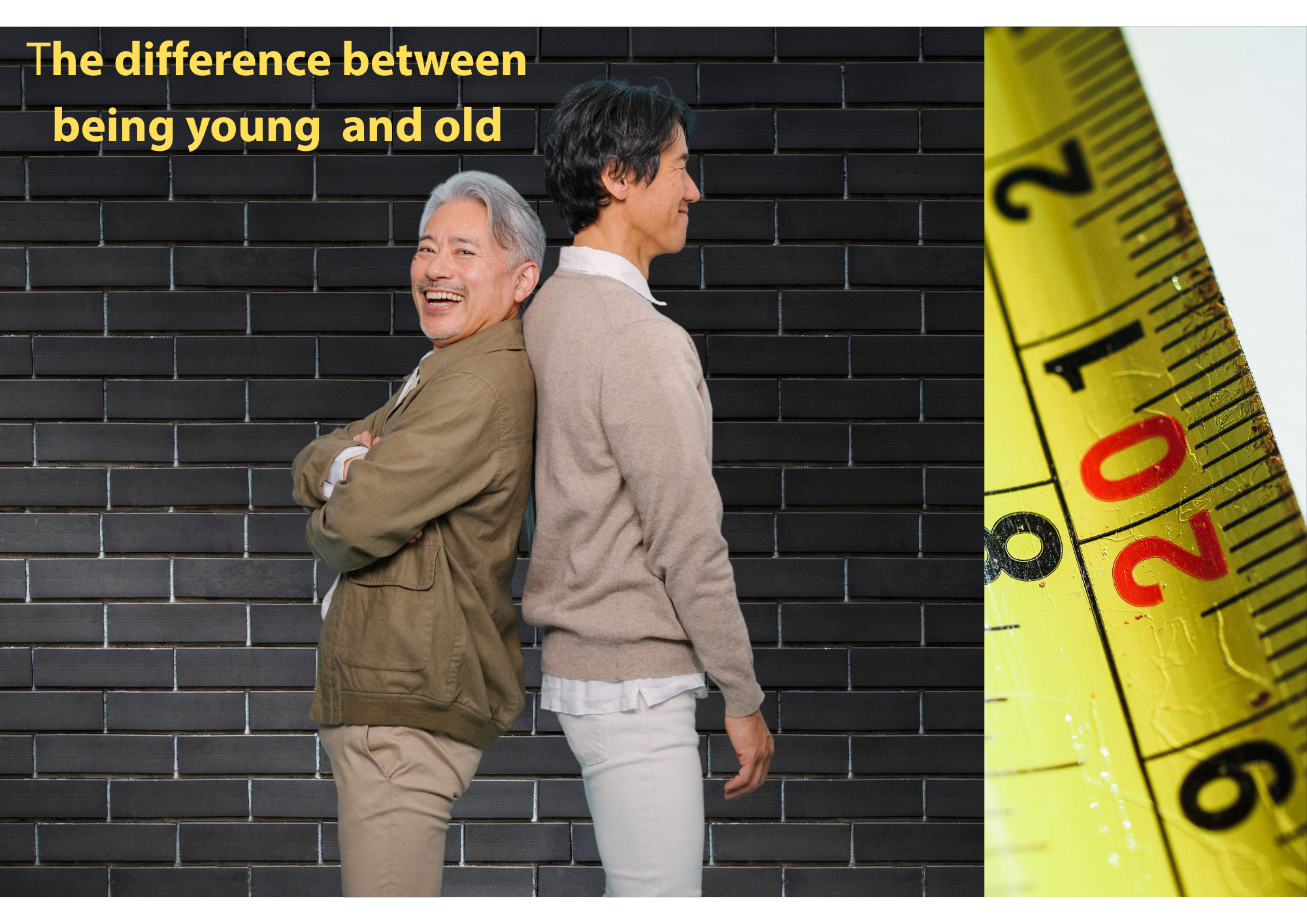
You spend your whole life being the shortest one in every photo. Then one day, science comes for the tall people too. Today: why we actually get shorter with age, the finale of this whole series, and why I might need to re-register my identity.
Getting Older, Post 12: Short, Shorter, and Still Standing
Of all my siblings, the last three were shorter than average. Everyone was taller than me. Friends used to tease and say, "Sue, everyone is taller than you." Being short gave a whole new meaning to the phrase "don't look down on people less fortunate." Well, that's my life story really, always being looked down on. But in a good way.
On the flip side, I had noticed that in my youth, as people got older, they seemed to shrink. Will I have to re-register my identity, from short in height (what a play on words) to a little person? There are both good and not-so-good sides to height, I can't use that other word, but being short was nice. I was different, and that demanded more attention, without even trying. Also, being shorter, one is always mistaken for being younger. Nice one.
The not-so-nice side: I can never reach shelves, always packing a small stool and a ladder, and my feet always dangled off standard-sized chairs. Now it's worse, I almost need a lift up. My best friends were high-heeled shoes, which is now slightly challenging to wear, since aging does affect your balance, coupled with bad eyesight. Not a good combination. So it's medium heels or flats these days. I am still me, and I still pack a punch. So can you.
The Science: Why We Actually Get Shorter With Age
Here's the twist Sue noticed years before science explained it to her: height loss with age happens to nearly everyone, tall or short, and it isn't your bones themselves shrinking. Between each vertebra in your spine sits a cushioning disc, made mostly of water and connective tissue. Over decades, these discs gradually lose water content and compress slightly, and the spine's natural curves can also become a little more pronounced. Add in some loss of bone density (a topic that ties right back to our joints post) and mild muscle changes affecting posture (hello again, sarcopenia from Post 11), and the combined effect is a gradual height loss, often around one to two centimeters per decade after age 40, more in later decades.
The genuinely interesting part: this happens proportionally, not selectively. Tall people lose height too, they just have more of it to lose before anyone notices. Short people simply started the race already running the scoreboard Sue's friends loved to remind her of.
And, as always in this series, and fittingly, as the final example of it, not just a human experience. Height and spinal compression changes with age have been documented across many mammals with upright or semi-upright postures. Getting a little shorter over time is, quite literally, one of the most universal biological facts there is.
What Actually Helps
- Build and maintain bone density. Weight-bearing exercise (walking, strength training) supports bone health and can slow the pace of height loss.
- Keep your posture in mind. Core and back-strengthening exercises help support spinal alignment, which can reduce some posture-related height loss.
- Get enough calcium and vitamin D. Both are essential for maintaining bone density as you age.
- Choose footwear for balance, not just height. As Sue found, aging affects balance, so trading stilettos for medium heels or flats isn't giving up on style, it's protecting the body that carries you through everything else in this series.
- Get bone density checked if it runs in the family. Especially relevant for women post-menopause, when bone density loss can accelerate.
Here's the Part Worth Remembering — The Series Finale
Twelve posts ago, we started with hair quietly thinning without permission. We've laughed our way through eyesight, cracking joints, memory, wrinkles, a stolen voice, a mythical metabolism, sleepless nights, a silver uprising, taste buds switching sides, tired muscles, and now, finally, a few missing centimeters. Every single one of these are real. None of them were fixed by pretending otherwise. And every single one of them came wrapped in something funnier, warmer, and more worth living than the doom-and-gloom version of aging ever gives us credit for.
Sue said it best, and it's the line that this whole series has actually been about the entire time: I am still me, and I still pack a punch. Every reader nodding along through all twelve of these, cracking knees, dodgy eyesight, forgotten names, and missing centimeters included, is still exactly themselves too. So can you. The youth can't wait to get older. The old never want to be young again. Somewhere in between those two facts is the entire, ridiculous, wonderful truth about getting older.
English Corner: Height and Standing Idioms
"Stand tall" means to be proud and confident. "No matter what happens, stand tall." For Sue, its on a chair!!1
"Look down on someone" means to think you're better than someone else. "Never look down on people less fortunate."
"Pack a punch" means to have a powerful effect, despite appearances. "She's small, but she really packs a punch." Dynamite comes in small packages
Try this today: Use one of these three idioms out loud, about your actual day, bonus points if it's about yourself.
Why do people actually get shorter with age?
Question: Why do people actually get shorter with age?
Answer: Spinal discs lose water content and compress over time, combined with some bone density and posture changes, gradually reducing height, roughly 1-2cm per decade after age 40. It happens to nearly everyone, tall or short.