
Daily stories
Is English really the language of communication?
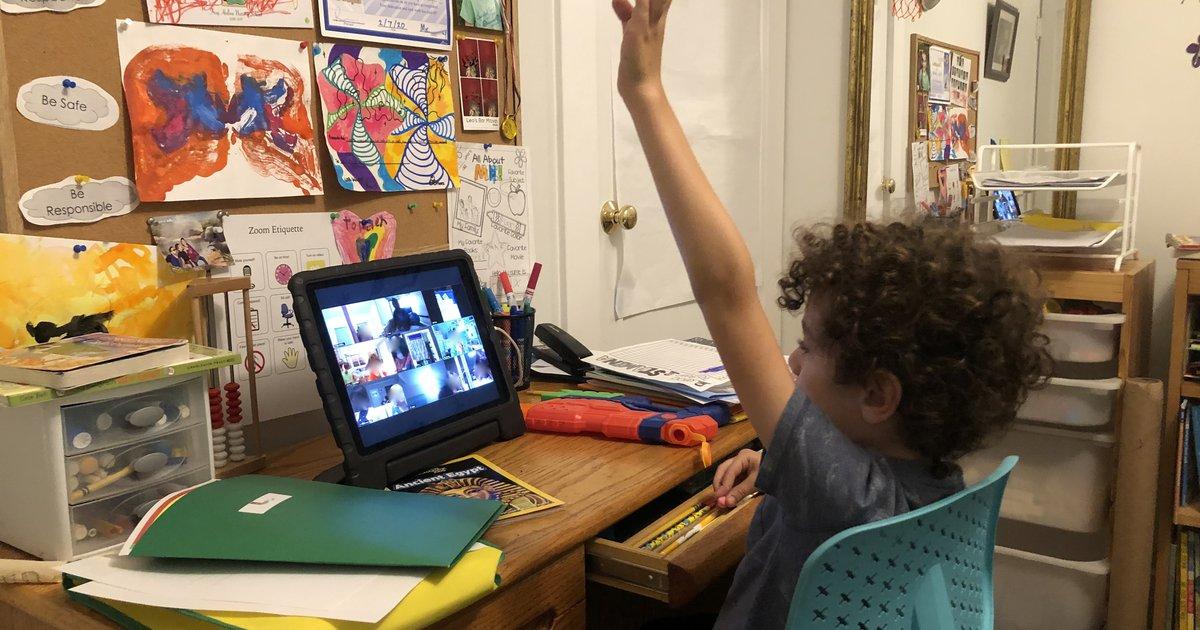
Educational infrastructure is crumbling. What's really going on?
I'm not talking about affordability, curriculums, or well-trained teachers — because there are many teachers who get up, show up, and teach the true essence of the profession: sharing knowledge, opening minds, connecting the dots. I'm talking about the days when I went to school. Miss Fick, my class teacher, recognised each child's needs, and mind you, there were easily 30 children in our class. Yet she took the time to spend a few minutes with each struggling child. Darren August, author of A Teacher Changed My Life, wrote that book for a reason. Miss Fick would sit at her desk, and after every lesson or break, she'd call a special-needs child up and, in the kindest, softest, most loving voice, help that learner cross the bridge they couldn't cross alone. I was one of those learners. Today, I love reading and teaching. So I ask: what's different today? Billions are being spent on education — where is the education? Specifically, where is the money? Oh, let's just blame someone or something. Right.

It's not just broken buildings. The problem shows up in several layers:
- Physical decay: unsafe buildings, poor sanitation, no libraries or labs. Where is the money that was allocated to meet this need?
- Overcrowding: 40–80 learners per class in some regions, often spanning different ages.
- Teacher shortages: burnout, resignations, and fewer people entering teaching. Teachers build the foundation for every country's future leaders — why are they burning out and underpaid?
- Digital gaps: some schools use AI and tablets; others lack electricity. Why can't teaching stay grounded in what actually works?
- Curriculum strain: outdated content or overloaded syllabi. A single, coherent curriculum would help.
- Loss of depth: more testing, less real understanding. If one learner doesn't grasp it, that's apparently fine for everyone else.

Technology disruption
- Technology promised to "fix" education, but it widened inequality and sometimes replaced human teaching instead of supporting it.
- Students now compete with constant digital distraction.
- Policy instability and frequent curriculum changes — driven by the politicisation of education — have produced short-term reforms instead of long-term planning.
- The pandemic's aftershocks are still visible years later: learning loss that schools have never fully recovered from, structurally or academically.
My two cents: the reality today is that a Grade 12 learner can pass every grade with flying colours yet still can't read. That learner now has to sit in a first-grade class after hours just to learn to read. Parents pay exorbitant school fees and still pay tutors to bridge the gap. What are we really doing? Ignoring the elephant in the room. Who do we blame? Parents, what do you say? This year it's private schools, next year it's homeschooling — then what? Add to the overcrowded government schools?
Is English a universal language? In whose opinion?
In many ways, yes. English is the dominant language of:
- International business
- Aviation and maritime communication
- Scientific research
- Higher education
- Much of the internet
- Tourism
- Global entertainment
If two people from different countries need a common language, English is often the one they choose. Not so much anymore, though — they still need English, but increasingly paired with another language.
So why does it sometimes seem like English is under attack?
Several trends contribute to that perception.
1. Countries are protecting their own languages
Many nations worry that English could overshadow local languages and cultures.
- France actively promotes French.
- Wales has revitalised Welsh.
- New Zealand has invested in Māori.
- South Africa recognises 12 official languages, reflecting its cultural diversity.
The goal is usually preservation, not rejection of English.

2. Technology has changed communication
Translation apps and AI can now translate conversations, documents, and websites almost instantly. This means people may not need to learn English to access information as much as they once did.
3. Education is becoming more balanced
Many schools now encourage bilingual or multilingual education, because research suggests that learning multiple languages can benefit cognitive development and help preserve cultural identity. That doesn't mean English is becoming unimportant — it means it's sharing the stage.
Will English disappear?
Highly unlikely — though I'm not entirely sure, given how many new dialects form every day.
- English is spoken or understood by well over a billion people, many of whom are also determined not to lose their mother tongue. Fair enough — fluency in any language is an asset.
- Languages that go global tend to stay influential for a long time, even as other languages grow in importance.
Some questions worth sitting with: Are we breeding isolation in education? Do you believe your children are being given the chance to be truly intelligent? Should we bring back an "old-school" style of teaching — simpler, more human, more real? Wake up — for the sake of the next generation.