
Daily stories
Why does everyone make a fuss of V&A Waterfront,CT
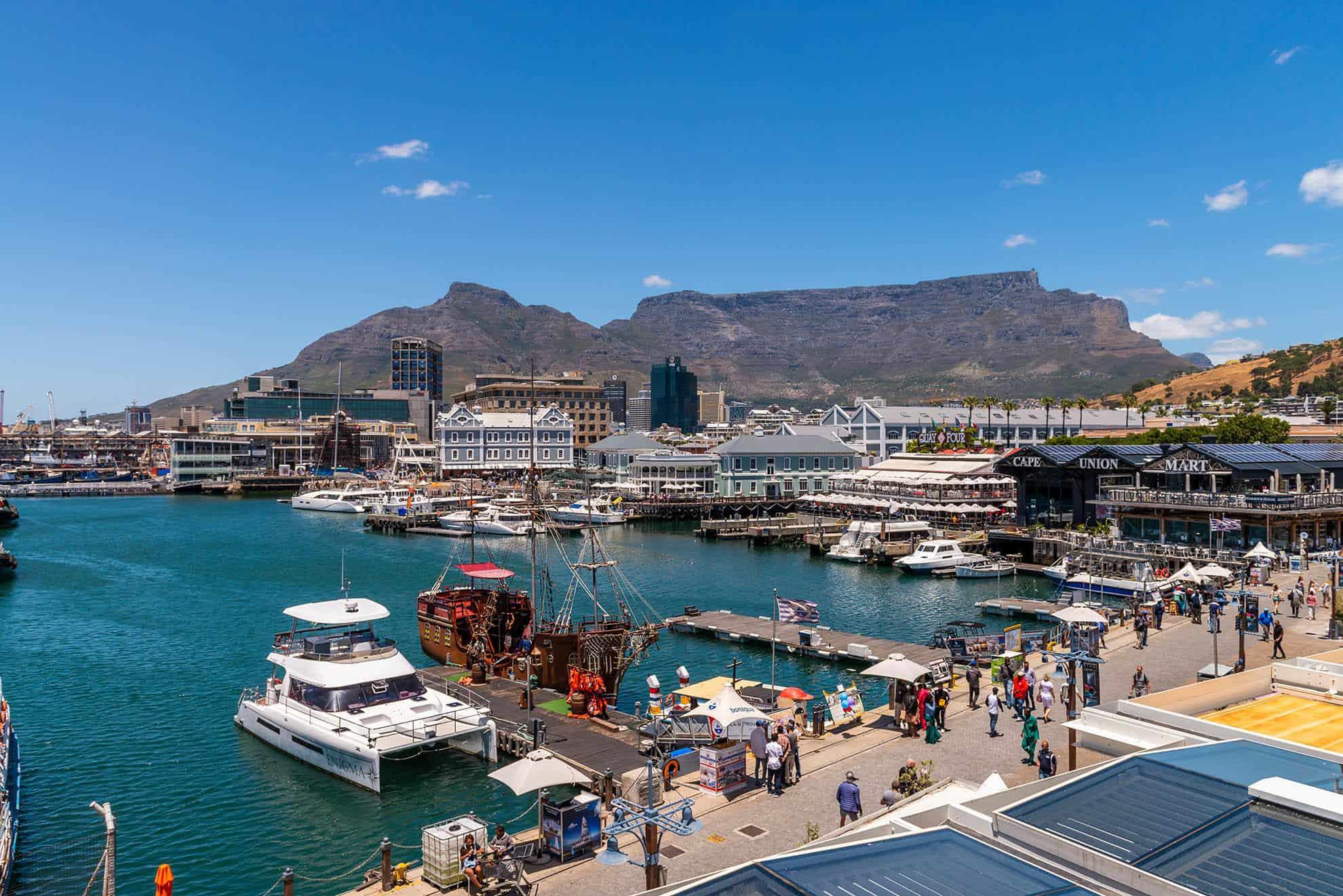
I bet you did not know that it was Johannesburg's gold that made V&A Waterfront bigger! And they call it the Mother City!!!
Victoria & Alfred (South Africa)
I am referring to the popular dining, shopping, and entertainment hub located near you in Cape Town, it stands for Victoria & Alfred. he name “V&A” stands for Victoria & Alfred
Queen Victoria, the British monarch during the 1800s and Prince Alfred, her second son. In 1860, Prince Alfred visited Cape Town and officially started construction of the harbour and helped establish what would become one of South Africa’s most important ports
Because of this, the harbour was named in honour of both him and his mother. A deeper layer not mentioned often, The name reflects British colonial influence in South Africa at the time.
So while it sounds elegant, it also comes from a period of:
Empire expansion 2.Control over trade routes 3. Major historical change in the region
A thought
The V&A Waterfront isn’t just a modern tourist name—it’s a historical label that has stayed for over 160 years, linking today’s vibrant space to its colonial beginnings.


Things to know and things to do when vacationing at the infamous South African V7A Waterfront.
1. With One Stone A Prince Started the Harbour
n 1860, Prince Alfred, son of Queen Victoria, visited Cape Town and symbolically placed a stone to mark the beginning of the harbour. While the moment was celebrated, it was the local workers who would go on to build the harbour through years of hard labour.
Today, the V&A Waterfront stands as a major landmark, but beneath its beauty lies a deeper story of effort, history, and those whose work made it possible.
2. The Storm That Changed Everything
The sea had always been restless at the Cape. Sailors feared it. Traders respected it. But many still underestimated it. Until the storm came. A single powerful storm revealed the danger of the open bay, forcing change. From destruction came a decision, to build something safer, stronger, and lasting.
3. What Joburg's Gold did for The V&A Waterfront
People often think the V&A Waterfront exists because of tourism. But long before the shops, restaurants, and ferries: It existed because the world wanted gold—and needed a way to move it.
The discovery of gold in Johannesburg massively increased trade.
Cape Town’s harbour expanded to handle this demand, laying the foundation for what would later become the V&A Waterfront.
4. The Iconic Conversion of Grain Silos to Museum
The original purpose. In the 1920s, the tall concrete structure at the V&A Waterfront was built as a grain silo complex, a place to store and distribute maize and other crops. Made up of 42 tightly packed concrete tubes, designed for efficiency, not beauty. Once the tallest building in sub-Saharan Africa, it was purely industrial, no windows, no elegance, just function.
Architect Thomas Heatherwick led a redesign that carved out the inside of the concrete tubes, created a cathedral-like central atrium, added glass “pillows” at the top for light and preserved the industrial shell while reshaping its purpose. An abandoned industrial grain silo was transformed into a world-class art museum, showing how history and modern vision can merge into something entirely new.
5. Who are the actual Tourists, the seagulls or people?
They arrive before the tourists, perched on railings. Watching. Waiting. The seagulls of the V&A Waterfront don’t rush. They study. They know the routine, when the cafés open, when the crowds gather, when the first plate of food appears. The seagulls at the V&A Waterfront have adapted to human activity, boldly taking food and behaving like they own the space, turning a simple visit into a funny, unpredictable experience.
6. Not many countries have as much visitors!
It’s not by accident. The V&A Waterfront is one of the most visited destinations in Africa, drawing millions of visitors every year, often more than entire countries receive in total tourism. The contrast is that inside the Waterfront, polished, vibrant, global and outside, in parts of the city, more complex, unequal, real.That contrast is part of why it stands out so strongly.
The V&A Waterfront attracts millions because of its location, safety, and all-in-one experience, making it one of the most visited places in Africa and a key global showcase of Cape Town.
7. Too Touristy? Locals Love It and Love Complaining About It
“We don’t go there, it’s for tourists.” Prices are high, coffee, meals, even parking! Crowds can feel overwhelming. Some say it’s “not the real Cape Town” Feels polished, curated, almost staged. “…but we still go” Because despite all that: The views never get old.
It’s one of the safest public spaces in the city, Easy place to meet, walk, eat, relax, Events, markets, live music, there’s always something happening.
And quietly: Birthdays happen there. Dates happen there. Family outings happen there.
8. Animals Changed Their Behaviour During Lockdown.
During lockdown, reduced human activity allowed animals to move more freely and behave more naturally, showing how strongly human presence shapes wildlife behaviour. When people disappeared, something unexpected happened. The noise faded. The crowds vanished. The constant movement stopped. And the animals noticed.
At places like the V&A Waterfront: seals moved more freely through the harbour. Seagulls became less aggressive, there was less food to steal and the space felt quieter, almost returned to nature. Lockdown revealed something powerful: Cities don’t fully belong to humans, we just dominate them.
When that dominance paused, even briefly, nature began to reclaim space
9. Enjoying a cuppa on Reclaimed Land
What is “reclaimed land”?
It’s land created by filling in sections of the ocean using sand, rock and construction material. The sea is literally pushed back to make space for development. What most people don’t realise is that parts of the V&A Waterfront are built on land that didn’t exist before. Humans didn’t just build at the Waterfront, they reshaped nature itself.
Parts of the V&A Waterfront were created by reclaiming land from the sea, expanding the harbour to support growing trade and development.
10. Funny Local Observation
At the V&A Waterfront, people naturally slow down, turning simple walks into relaxed, drawn-out experiences, a funny behaviour locals quickly notice.
Only at the V&A Waterfront! Stop in the middle of the walkway. Walk in zig-zags like they’ve forgotten where they’re going. Take photos of everything, even pigeons.Turn a 5-minute walk into 25 minutes. It’s not just tourists. the Waterfront changes your pace without asking.
Day or night, the V&A Waterfront remains a favourite attraction to all and sunder. During the day, the V&A Waterfront is busy with shoppers, tourists, and harbour activity. At night, it transforms into a completely different experience. Because the Waterfront remains one of South Africa's busiest tourist destinations, there is often activity long after sunset. While many city centres become quiet at night, parts of the Waterfront remain lively well into the evening.
A few things to do in one day.
You can explore the V&A Waterfront in One Day. How?
You have limited time, and want to enjoy and savour the experience.
The people across the world come to visit this historic attraction. When visiting the Waterfront there are a few must-sees to do while you are there and it's possible to do it all in one day.
First things first. How to get there!
By car. Easy drive from Cape Town CBD (±5–10 minutes) Paid parking available (can get busy)
Uber / Bolt (Most popular)
MyCiTi Bus
Hop-on Hop-off Bus (Tourist option)
Walking (from CBD)
Boat / Water taxi
It’s time to start exploring!!!
Standing proudly since 1882, the original Port Captain's Office offers a glimpse into Cape Town's maritime past. Today, the Clock Tower precinct is a vibrant destination where visitors can take beautiful photos, explore museums, embark on journeys to Robben Island, and enjoy a range of distinctive dining experiences. Go on. Take a selfie, take it at every angle and height. Look up and you will be blown away.

Explore the Iconic Grain Silo. From grain silo to Zeitz MOCCA Museum. Take a tour through the museum, indulge yourselves in the creativity, the transformation from a caccoon to a butterfly.

Located at the V&A Waterfront, the Two Oceans Aquarium is one of Cape Town's most popular attractions. It showcases the incredible marine life found where the Atlantic Ocean and Indian Ocean meet around South Africa's coastline.
These different ocean currents create a unique environment that supports an amazing variety of marine life.
It Has a Giant Kelp Forest - One of the aquarium's most impressive exhibits is its giant kelp forest. Kelp can grow several centimetres a day and creates underwater "forests" where fish and other sea creatures live and hide. Many visitors say it feels like looking into an underwater jungle.
It Rescues Sea Turtles - The aquarium is involved in rescuing injured and stranded sea turtles. Young turtles are often rehabilitated until they are healthy enough to return to the ocean. Some of these turtles arrive weighing less than a loaf of bread and leave much larger and stronger.
Sharks Swim Over Your Head - Certain exhibits allow visitors to walk through tunnels while sharks and other large fish swim above them. It can feel a little like being inside a giant underwater cave.
Not Everything Has Teeth - While sharks often get the attention, some of the aquarium's most fascinating creatures include: Jellyfish, Seahorses, Starfish, Octopuses, Tiny colourful reef fish, Many visitors end up spending more time watching these smaller creatures.

Ride The Big Wheel and experience the view from up on high, but do it at sunset. Take a load off. Watch the sunset and the Lion's head and Table mountain bidding each other a good night.
By now you must be starving, why not pop into the Watershed Food Market and surrender yourself to the tasty treats. As the night creeps in, you can head for the exit, but you wont want to leave. I would not. I would stay and hope you stay too, just for this spectacular view