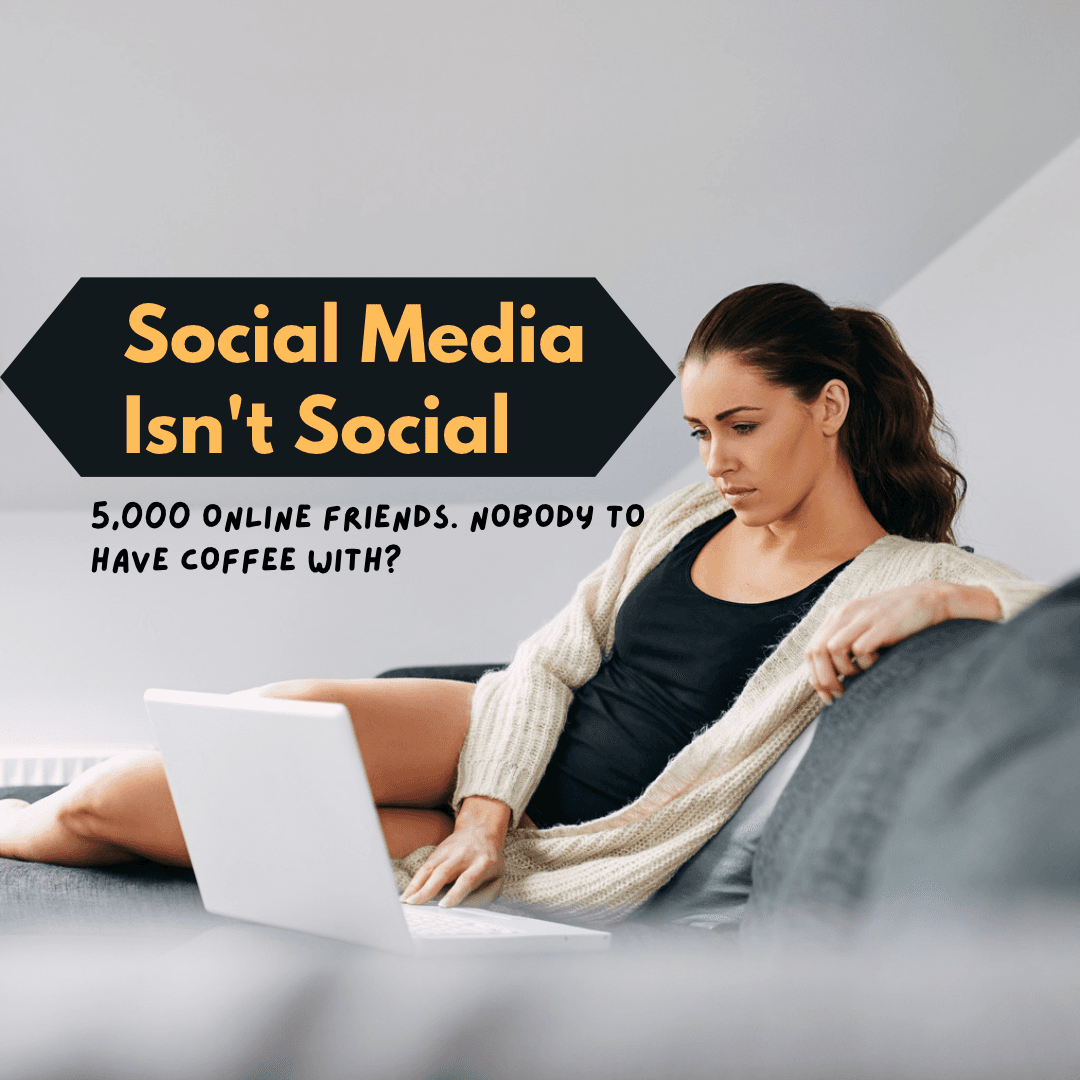
Social Media: The Great Illusion
Going Viral Isn't Success

Social Media: The Great Illusion
One video. Two million views overnight. Your phone will not stop buzzing.
Then, two weeks later, the numbers fall, and nothing in your life has changed. What happened?
“Slop” was Merriam-Webster's Word of the Year for 2025. It now means low-quality digital content, often made with AI. And GWI's analysis, reported by the Financial Times, found that global time on social platforms peaked in 2022 and has been slowly falling, so creators and brands are competing hard for attention.
10-SECOND VERSION: A famous experiment found that success in culture markets is partly random. The best songs rarely failed, but beyond that, almost any result was possible.
In one experiment with 14,341 people, the same songs ended up with very different success in different “worlds.”
What People Say....
If your post goes viral, you have made it. Success equals views.
Research
In 2006, Matthew Salganik, Peter Dodds and Duncan Watts built an artificial “music market.” A total of 14,341 participants could listen to unknown songs and download the ones they liked. Some participants could see how many times other people had downloaded each song. These people were placed into eight separate “worlds.” Others could not see this information.
The results: when people could see what others chose, the hits became bigger, and the results became more unequal and more unpredictable. The best songs rarely did badly, and the worst songs rarely did well. But between those two ends, almost any result was possible.
Quality helps. But quality alone does not decide who goes viral.
The Norm.
We treat virality like a talent: “She went viral because she is so good.” The experiment suggests that when people copy each other, small early lucky breaks can grow into big differences. A viral moment is often just a moment, not a career.
Remember: the experiment was about music downloads in 2006, not today's apps. It is a clue, not a final answer.
Experience
A cook posts a pasta recipe and gets three million views. Everyone says, “You're famous now!” A month later, her views are back to normal. She feels that she did something wrong. She did not.
My Question
What do I want from success: a big number, or something that lasts?
On the Other Hand
Virality can open doors: new followers, new jobs, new money. The Music Lab was also a simple experiment, far from the real world of social media. Skill, consistency and timing can improve your chances. The point is that views alone are a weak measure of success.
The Stark Reality - Truth
Mostly true. Going viral is exciting, but it is partly luck and often short. Build something you can repeat: an audience, a skill, a reputation.
WOULD YOU RATHER BE FAMOUS FOR 15 MINUTES OR RESPECTED FOR 15 YEARS?
VIEWS ARE A NUMBER. VALUE IS AN ACHIEVEMENT.
The Significance
What does it promise? That a viral hit means you have made it.
What does the evidence show? That success in cultural markets is partly unpredictable, and bigger when people copy each other.
What should you do? Measure success by what you can keep: skills, relationships and work you are proud of.
Be Brave.
If every number on your profile disappeared, what would you still want to make?
Frequently Asked Questions
Is going viral just luck?
Partly. In the Music Lab experiment, success was only partly decided by quality. When people could see what others chose, results became more unequal and less predictable.
Does going viral make money?
Not automatically. Views are not income. Money depends on your audience, the platform's payment rules, sponsors, and what you sell.
Can I plan a viral post?
You can improve your chances with a clear idea and good timing, but nobody can guarantee it. Planning for steady growth is more reliable.
Why do some hits disappear so fast?
Attention moves quickly. Viral content often depends on a trend or a moment, and people may move on within days.
English Lesson: Talking About Fame and Luck
Every article on this blog is also an English lesson. Read slowly, say the new words out loud, and use them today.
New Words
viral (adjective) means spreading very quickly online. The video went viral in one day.
reach (noun) means the number of people who see a post. This post had a reach of two million.
unpredictable (adjective) means impossible to know before it happens. The market is unpredictable.
popularity (noun) means the state of being liked by many people. The song's popularity grew fast.
hit (noun) means something that is very successful. It was a huge hit.
trend (noun) means something that many people are doing or talking about now. This dance is a new trend.
Say This, Not That
Say “My video got a lot of views, but I'm focusing on steady growth.”
Don't say “I'm nothing if I don't go viral.”
Why? The first sentence keeps your worth separate from numbers.
Say “That post took off partly by luck.”
Don't say “She's famous overnight. It must be easy.”
Why? Success usually has a story behind it.
Say “I'm proud of the work, not just the numbers.”
Don't say “It only matters if it gets a million views.”
Why? Your own standard lasts longer than a trend.
Grammar Spotlight: linking cause and result
so + result: The song went viral, so it got millions of plays.
because + clause: She got new followers because her video went viral.
because of + noun: Views grew because of the trend.
as a result / therefore (more formal): The video was shared widely. As a result, sales increased.
Common mistake: Use because of only before a noun.
Incorrect: Because of she was lucky, the post spread.
Correct: Because she was lucky, the post spread. / Because of her luck, the post spread.
Quick Practice
The video went viral, ___ she got new followers. (so / because)
___ the trend, many people copied the dance. (Because / Because of)
Fix the mistake: Because of she was lucky, the post spread.
Answers: 1. so · 2. Because of · 3. Because she was lucky, the post spread. (or: Because of her luck, the post spread.)
Enjoyed this lesson? Subscribe to English with Sue and become an active student. Every article gives you new words, useful phrases and one grammar point. Today's challenge: write one sentence with a new word and say it out loud.