Relationships: The Real Unspoken Truths
Two people, still visibly in love after a decade, still reaching for each other's hand, still laughing at old jokes, end up in a divorce lawyer's office anyway.
A researcher who's spent decades watching couples argue in a lab can tell you almost exactly why.
Psychologist John Gottman identified a single behavior that predicts divorce more reliably than anything else he's measured, a complete system shock, and it has nothing to do with how much love is present in the relationship.
What People Say....
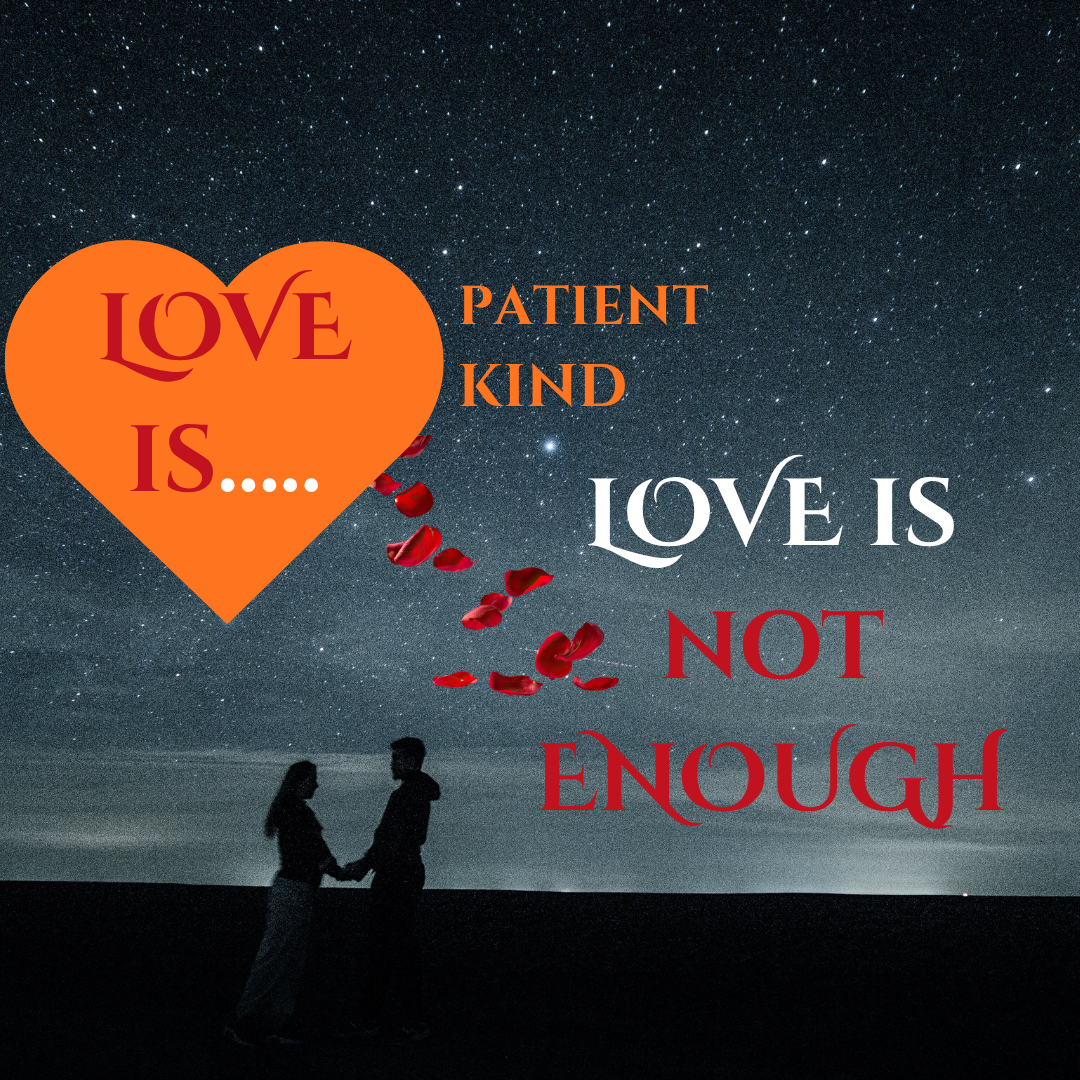
If two people truly love each other, that love will carry the relationship through anything.
Reasearch
Gottman spent decades in his "Love Lab," watching couples argue and tracking what happened to their relationships years later. He found four specific behaviors that reliably predicted breakup: criticism, defensiveness, stonewalling, last but not least, the strongest predictor of all, contempt. Eye-rolling. Mockery. A tone that says "you're beneath me."
These behaviors showed up in plenty of couples who, by every other measure, clearly still loved each other. Love and contempt aren't opposites that cancel each other out. They can sit in the same relationship, at the same time, for years. Festering, rotting and destroying slowly, bit by bit.
The Usual Blah, Blah, Blah
We treat "we still love each other" as proof a relationship is fundamentally fine. Gottman's data says the specific, corrosive patterns in how a couple fights predict the relationship's survival far better than how much affection is still present. Love doesn't override contempt. It just makes it more confusing to watch happen.
Experience
Someone stays in a relationship, pointing to the love that's still there as evidence everything's okay, while a slow accumulation of eye-rolls, sarcasm, and dismissiveness quietly does its own separate damage underneath.
My Question
If love can co-exist with the exact behaviors that predict a relationship's end, is "we still love each other" actually reassurance, or just the thing keeping you from noticing the pattern that's actually deciding the outcome?Or, to keep things uncomplicated, the least trodden path, we know what it really is, but take every precaution to avoid it.
On the Other Hand
This isn't a claim that love doesn't matter, Gottman's research also found the antidote to most conflict is genuine fondness and admiration, a deep, ongoing sense of respect for your partner. Love matters enormously. The correction is narrower: it has to be paired with how you actually treat each other in conflict. On its own, as a feeling, it isn't a sufficient defense against contempt doing its slow work.
The Stark Reality - Truth
Mostly misleading, as a standalone promise.
Love is necessary. The research is clear it isn't sufficient, specific, measurable behavior patterns predict a relationship's survival independent of how much love either partner still feels.
The Significance
What does it promise? That strong enough love will carry a relationship through any pattern of conflict.
What does the evidence show? That contempt, not lack of love, is the single strongest predictor of a relationship ending.
What should you do with the gap? Judge the relationship by how you treat each other in disagreement, not only by whether the feeling is still there.
Be Brave.
If you measured your relationship by how you fight, not just whether you still love each other, would the verdict change?
Talking About Love and Conflict
Every article on this blog is also an English lesson. Read slowly, say the new words out loud, and use them today.
New Words
contempt (noun) - a strong feeling that someone is worthless. She looked at him with contempt.
criticism (noun) - saying what is wrong with someone or something. His constant criticism hurt her.
defensive (adjective) - protecting yourself because you feel attacked. He got defensive when I asked a simple question.
stonewall (verb) - to refuse to talk or answer. Every time we argue, he stonewalls me.
predict (verb) - to say what will happen in the future. Experts can predict which couples will break up.
affection (noun) - gentle, warm love. They still show a lot of affection.
Say This, Not That
“I felt hurt when you laughed at me.”
NOT “You always laugh at me. You're a terrible person.”
Why? The first sentence talks about your feeling. The second attacks the person.“Can we talk about this in an hour? I need a few minutes.”
NOT “Whatever. I'm done talking.” (and walking out)
Why? The first sentence is a pause. The second is stonewalling.“I love you, and this behavior is hurting us.”
NOT “If you loved me, you wouldn't do this!”
Why? Say what you need. Don't test their love.
Grammar Spotlight: although / even though
Use although or even though to show a surprising contrast.
Although they love each other, they are unhappy.
They are unhappy, even though they love each other.
Common mistake: Do not use although and but together.
Dont - Although she was tired, but she listened.
Do - Although she was tired, she listened.
Quick Practice
___ they still love each other, they are not happy. (Although / Despite)
Fix the mistake: Although he apologized, but she was still angry.
Complete the sentence: He rolled his eyes with ___.
Answers: 1. Although · 2. Although he apologized, she was still angry. · 3. contempt
Enjoyed this lesson? Subscribe to English with Sue and become an active student. Every article gives you new words, useful phrases and one grammar point. Today's challenge: write one sentence with a new word and say it out loud.
⭐ SPOTLIGHT
The one thing to remember: love is necessary, but contempt is the strongest warning sign.
The number to know: in Gottman's research, contempt was the strongest predictor of divorce among the four warning behaviours.
Your question: When you argue, do you aim at the problem, or at your partner's character?