Getting Older
My Eyes vs. Me, a Courtroom Drama 2
👁️ Somewhere in the Bible, it talks about a day of judgement, when your organs stand witness against you. Turns out, mine didn't wait for judgement day. My eyes started testifying years ago.
Getting Older, Post 2: My Eyes vs. Me, a Courtroom Drama
Growing old gracefully. What's so graceful about it, exactly? As I grew older, I had to get spectacles. Then, as I grew older still, my eyes weakened further, and the prescription had to increase, again and again. Now I use reading glasses, because my actual spectacles are broken. This is not what I signed up for.
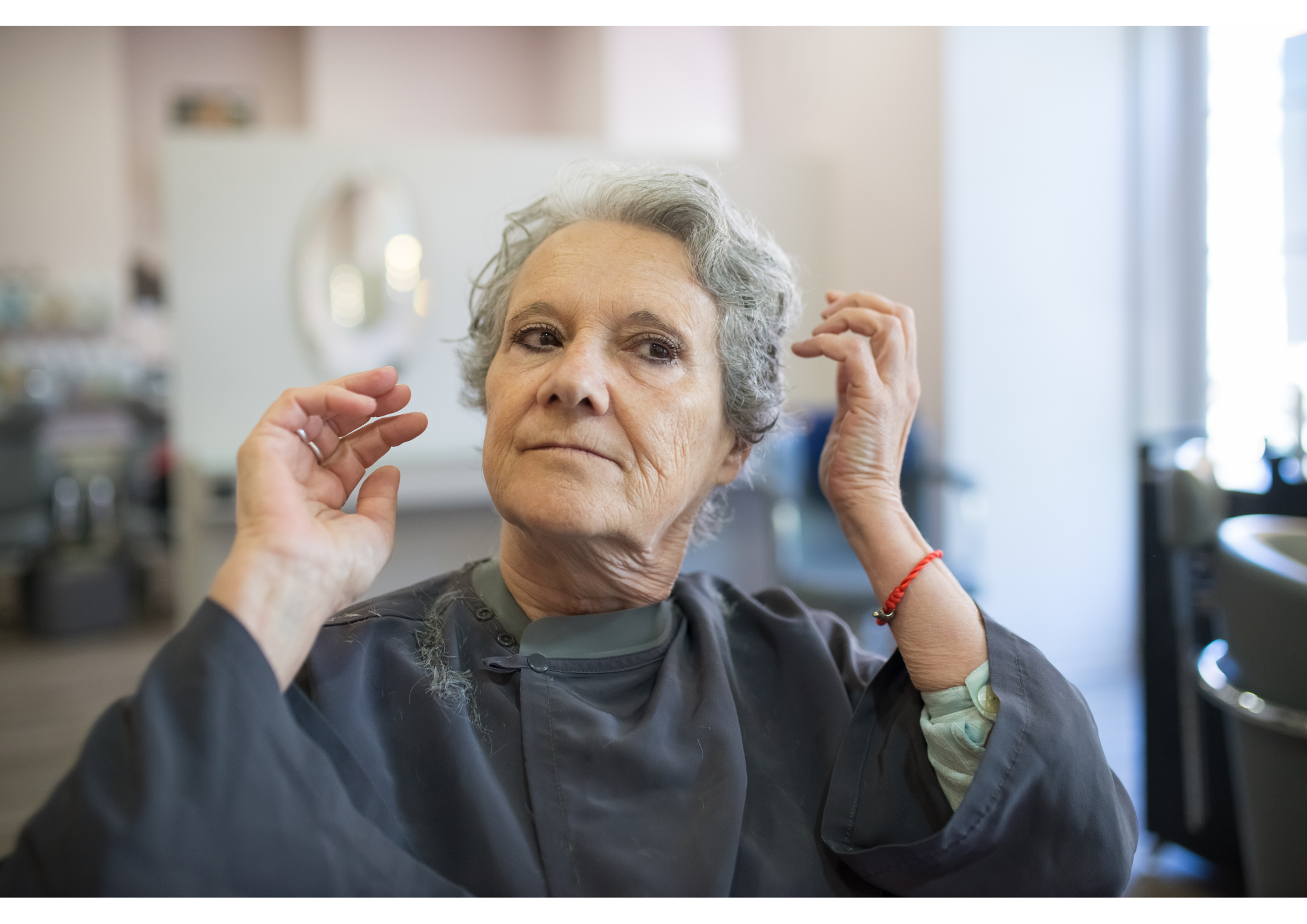
The mirror test. Here's the thing — without any eyewear at all, standing in front of my mirror, I cannot see the wrinkles. I cannot see the gray hairs. I'm small in size, not petite, and I am happy with what I see. But the moment I try to read anything on my phone or laptop? Nothing. Just a blur.
So I put on my reading glasses. Now I can read every word. I can see everything, in large scale, in beautiful, crisp detail. And you know what I see in the mirror now? Me. In large scale. Every wrinkle, every gray hair, front row seats, no discount.
Then I went shopping. Wearing my reading glasses, because obviously. And it's like a light switch — on, I can read the price tag perfectly. Off, long distance is a blur, and I genuinely cannot tell if a dress is my size from three feet away. A store assistant had to rescue me, gauging my size for me because I physically could not judge it myself, glasses on, glasses off, on, off. I had no choice but to trust a total stranger, whose actual job is making a sale, to decide what size I am. "I think small will fit," she said. I nodded. What else could I do?
I have not passed on. My judgement day has not arrived. And yet, my eyes stand witness against me daily, calling me a liar every time I try to pretend I can still see just fine without them. On, off, on, off. You know exactly what I'm talking about. I see you smiling.
The Science: Why Eyesight Changes With Age
What I'm describing has an actual medical name: presbyopia — literally "old eye" in Greek. The lens inside your eye needs to be flexible to focus on things up close. As you age, that lens gradually stiffens and loses elasticity, so it can no longer easily change shape to focus on nearby objects. This is why almost everyone, eventually, needs reading glasses — it's not bad luck or bad genes, it's a near-universal, predictable part of aging eyes, usually starting somewhere in your 40s.
And here's the part that makes it feel almost personal: presbyopia happens to nearly everyone who lives long enough, regardless of whether you had perfect vision your whole life. Even people who never needed glasses for anything else will eventually need reading glasses. Your eyes really do come for all of us, exactly on schedule.
What Actually Helps
- Get regular eye exams. Prescriptions change gradually; keeping yours current is the single biggest fix for the on/off blur.
- Try progressive or multifocal lenses. These let you see near and far without swapping glasses on and off constantly — worth asking your optometrist about if the switching is driving you as mad as it drove me.
- Protect your eyes from UV. Sunglasses that block UV rays help protect long-term eye health, not just comfort.
- Feed your eyes well. Diets rich in vitamin A, C, E, zinc, and omega-3s are linked to better long-term eye health, particularly for the retina.
- Give screens a break. The 20-20-20 rule — every 20 minutes, look at something 20 feet away for 20 seconds — genuinely reduces eye strain from constant close-up screen focus.
- Manage blood pressure and blood sugar. Both are closely linked to long-term eye health, well beyond just needing reading glasses.
Here's the Part Worth Remembering
Yes, the blur is real, and no amount of squinting brings your 20-year-old eyes back. But here's the part nobody tells you: those reading glasses let you see your grandchild's drawing in full, ridiculous, crayon-scribbled detail. They let you catch every word of a good book without a single blur. The trade isn't as bad as it sounds — you give up seeing your own wrinkles clearly in the mirror, and in exchange, you get to see absolutely everything else, in glorious large scale. Not a bad deal, honestly, once you stop fighting it and start laughing at the on-off switch instead.
English Corner: Eye Idioms
- "In the blink of an eye" — very quickly. "The years went by in the blink of an eye."
- "Turn a blind eye" — to deliberately ignore something. "I turned a blind eye to how blurry everything was for way too long."
- "An eye for detail" — good at noticing small things. "She has a great eye for detail— with her glasses on, anyway."
Try this today: Use one of these three idioms out loud, about your actual day. Bonus points if your glasses are involved.
Quick Check: Tap to reveal the answer
Question: What is presbyopia, and why does it happen?
Answer: Presbyopia is the age-related stiffening of the eye's lens, which makes it harder to focus on things up close — it's why nearly everyone eventually needs reading glasses, usually starting in their 40s.
More articles


