Words We've Been Lied To About
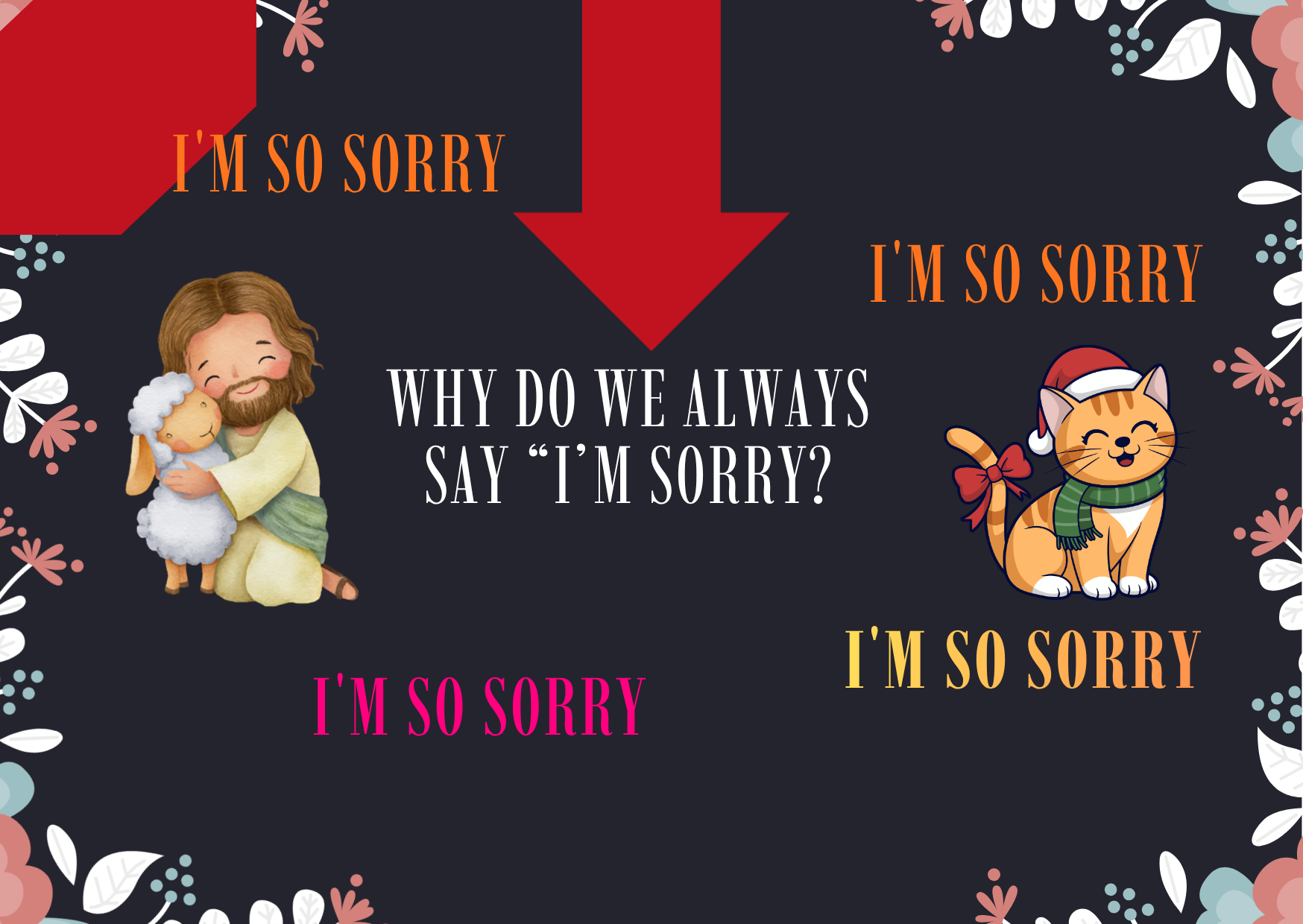
"Sorry" — Why Are We Apologising When We Did Nothing Wrong?
Words We've Been Lied To About — Part 1
"Sorry" doesn't come from a word about blame.
It comes from the Old English "sarig" sore, hurting, full of grief.
For most of this word's life, saying it never meant "I did something wrong." It meant "I feel your pain."
UNREAL: A real study found men and women apologize at the exact same rate once something feels offensive. The only difference is what crosses the line in the first place.
Somewhere along the way, we turned a word about shared hurt into a scorecard for who messed up.
The Claim
The advice is everywhere: stop apologizing so much. It makes you look weak. Unsure. Like everything is your fault.
The Investigation
In 2010, researchers Karina Schumann and Michael Ross tested the stereotype that women apologize more than men. Participants kept daily diaries: every offense committed or experienced, and whether an apology followed.
Women did apologize more often. They also reported more offenses, because they rated more everyday behavior as offense-worthy in the first place.
Once something was judged offensive, men and women apologized at the exact same rate. No gender difference at all.
The entire "gap" was never about willingness to say the word. It was about where the bar sits for what deserves one.
The Contradiction
"Apologize less" aims at the wrong target completely.
The behavior, saying sorry once something feels wrong, isn't what differs. The perception of what feels wrong is.
Telling someone to say "sorry" less doesn't change what they notice. It just asks them to stay quiet about it.
The Human Question
Someone catches themselves mid-sentence. Swallows a "sorry" because they've been told it undermines them.
The discomfort didn't go away. They just stopped naming it out loud.
That's not confidence. That's the same vigilance, now hidden.
Why do we do this?
When someone tells you that you apologize too much, are they asking you to feel less responsible? Or just asking you to stop mentioning what you already feel?
The Other Side
This isn't a case for apologizing constantly. There's a real, well-documented pattern called the fawn response, a trauma-driven habit of appeasing others, first named by therapist Pete Walker.
For someone whose apologies come from fear, not care, that's worth addressing. But it's a specific pattern in an individual. Not a verdict on an entire gender's word choice.
The Verdict
Partly true, mostly misleading.
The well-supported finding is a difference in perceived offense, not apology behavior itself.
The Word Test
What did it mean? Sore, pained, grieving. Not "at fault."
What do we use it for now? An admission of wrongdoing.
What are we actually asking for? Usually acknowledgment, not blame. We just stopped separating the two.
Your Turn
Next time you catch yourself about to say sorry for something that wasn't your fault, what happens if you finish the sentence anyway?